Kitchen Guides for more confident cooking
Clear, original guidance for choosing tools, using them safely, and understanding which details actually affect a recipe. These guides are educational and independent; no product is paid for or presented as tested.
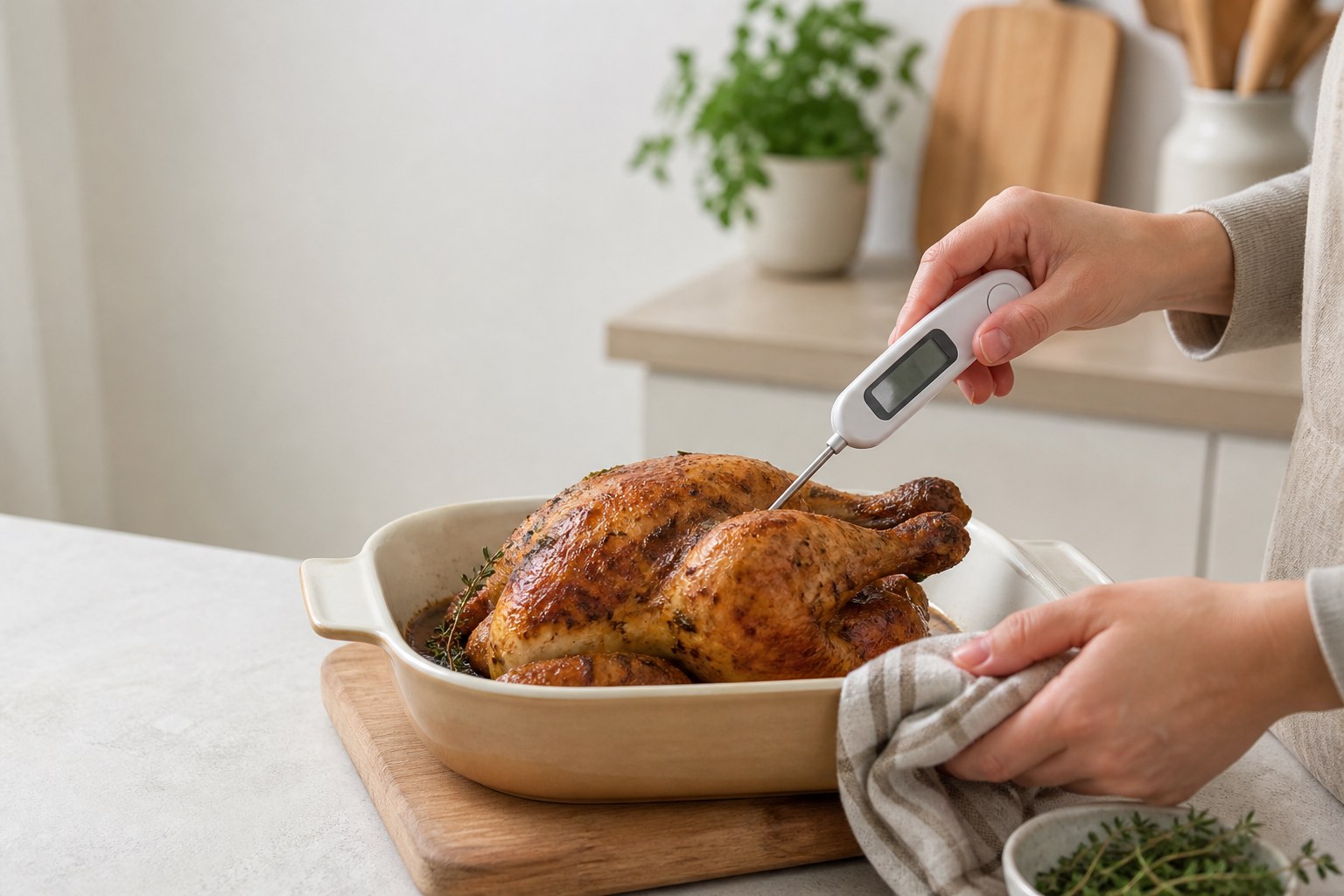
How to Use an Instant-Read Thermometer
Check the thickest part of food with a thermometer instead of judging by color.
Read the guide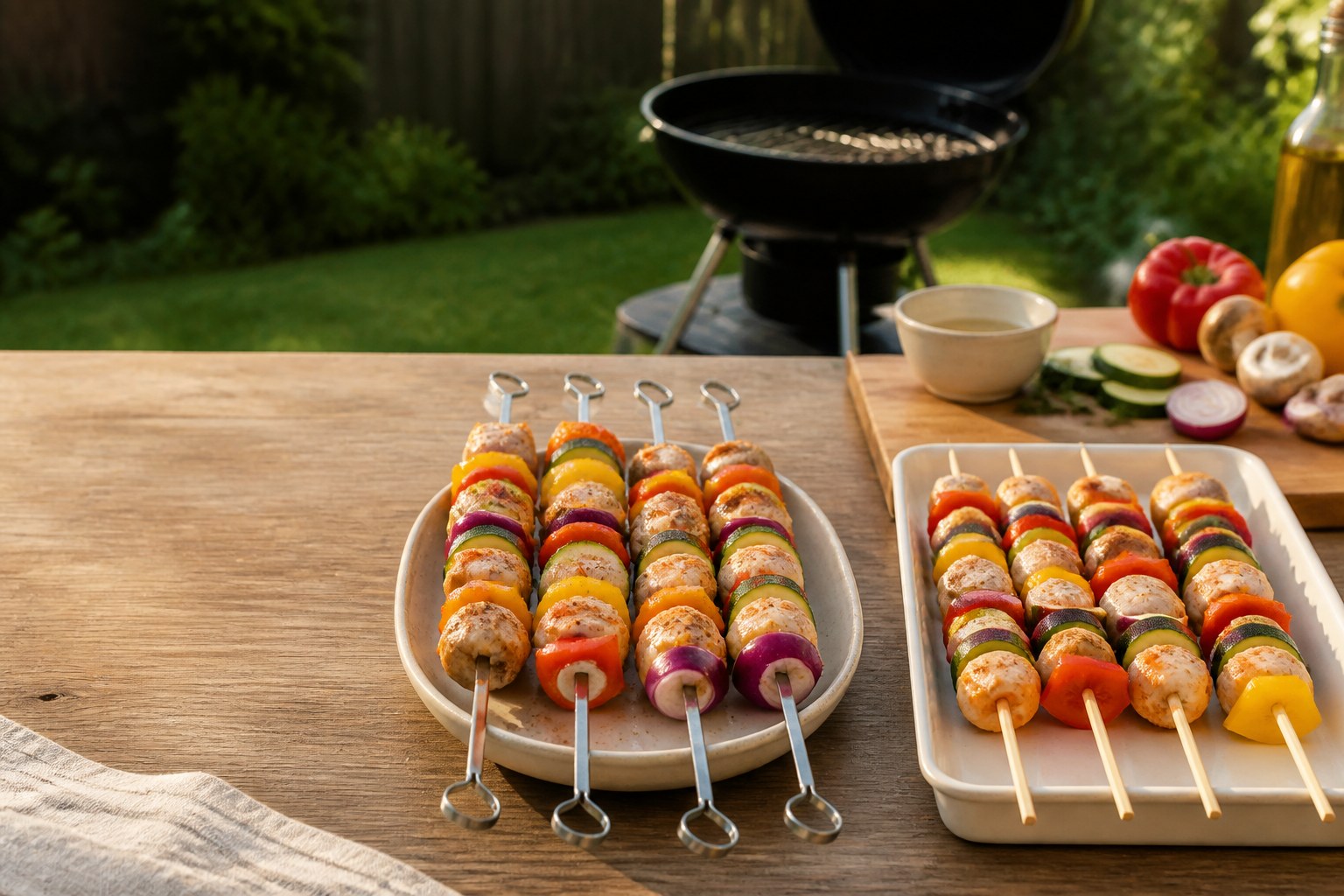
Metal vs Bamboo Skewers: A Practical Guide
Choose a skewer that suits the food, heat source, and your grilling routine.
Read the guide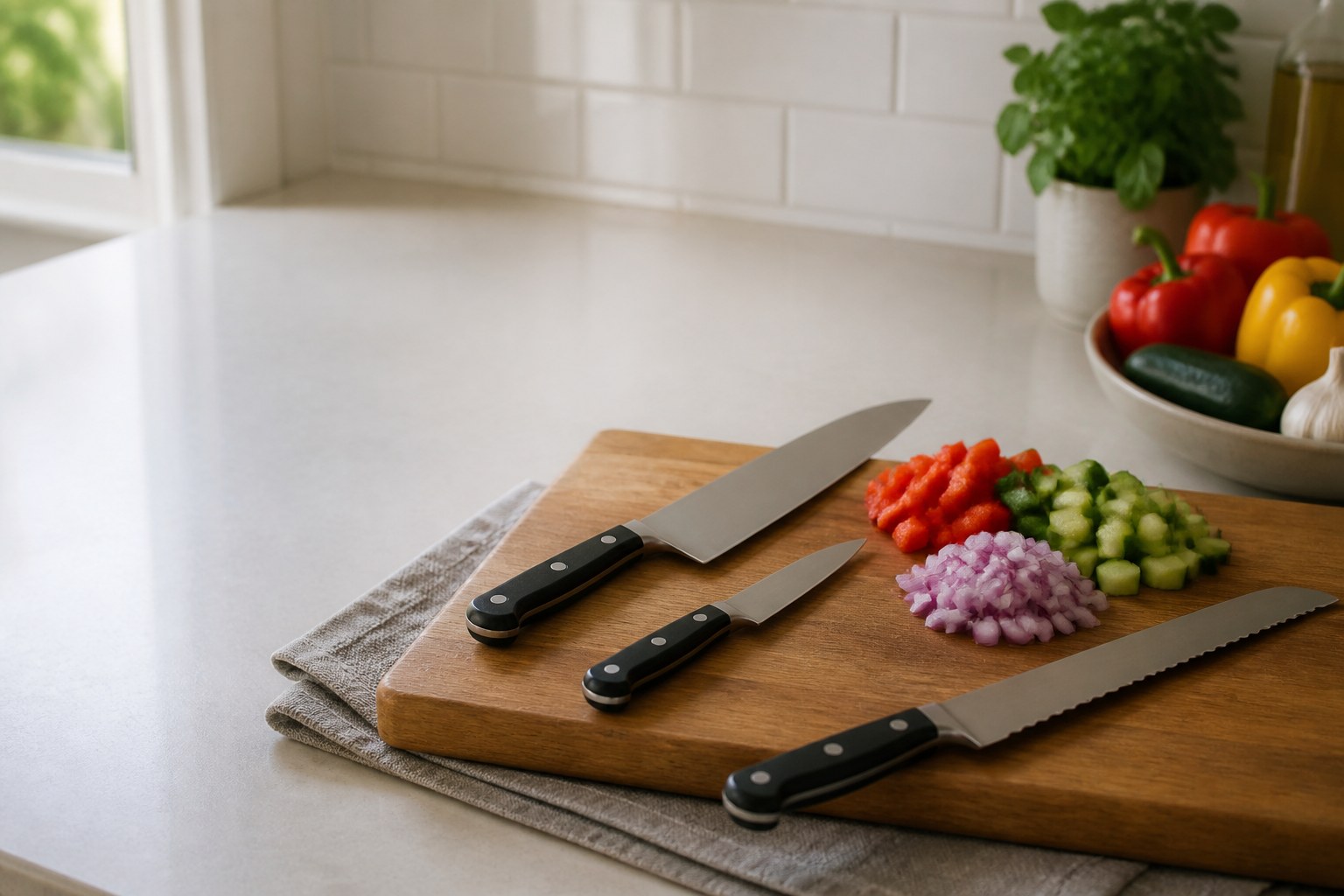
Essential Kitchen Knives and Cutting Boards
A few well-maintained knives and a stable board cover most everyday prep.
Read the guide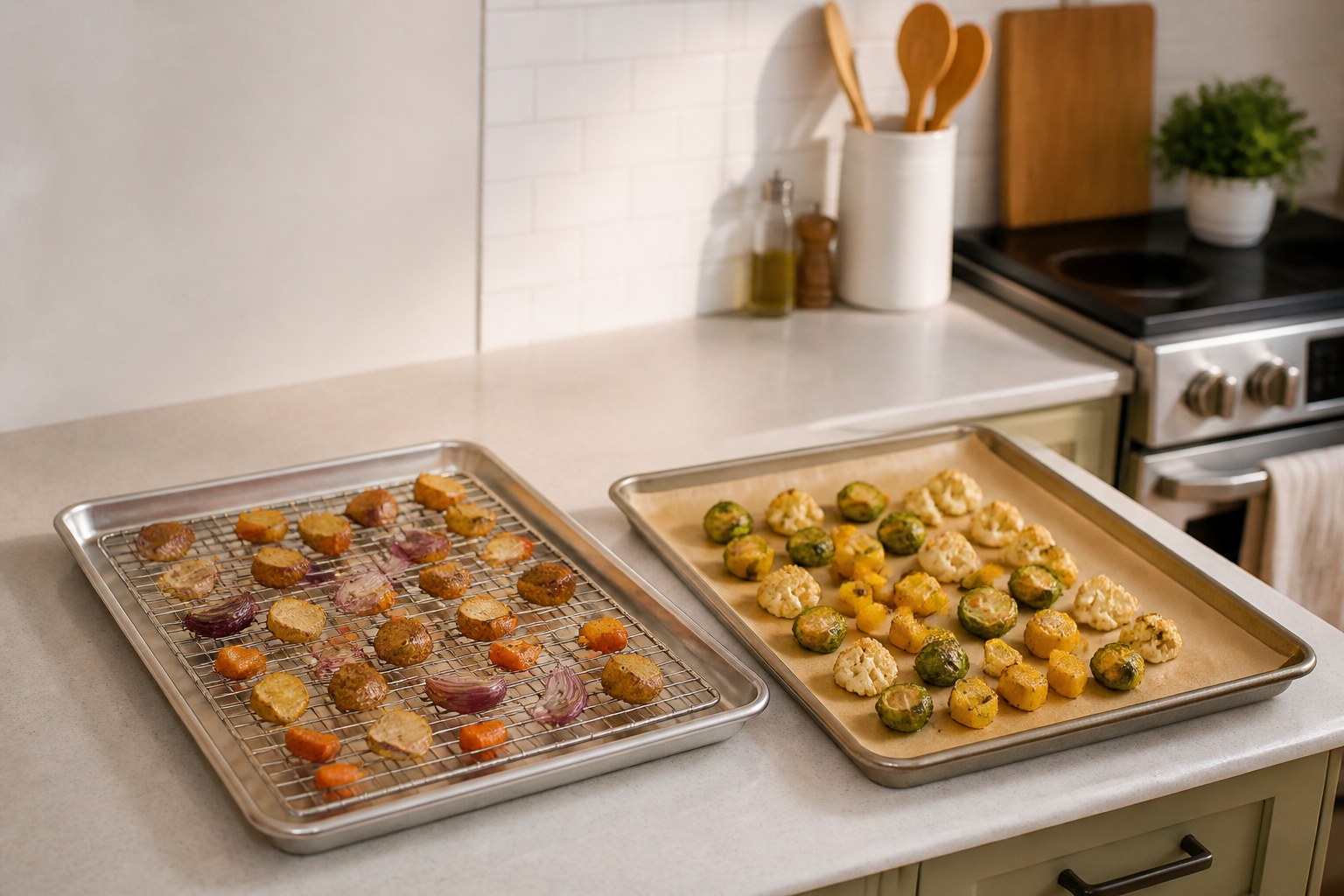
Sheet Pans and Roasting Racks
Pan size, rim height, spacing, and airflow shape how food roasts and browns.
Read the guide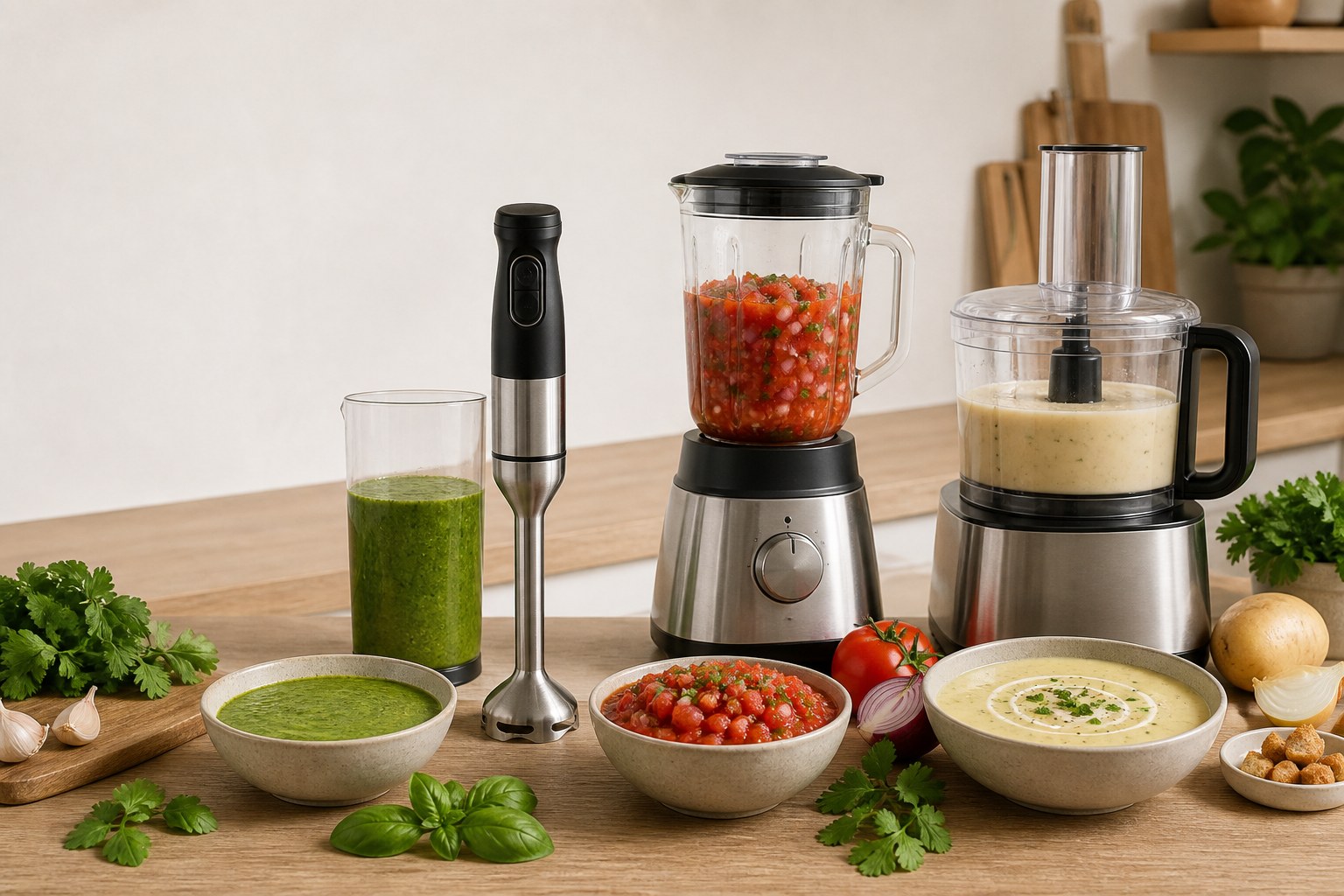
Blenders vs Food Processors for Sauces
Choose by texture: silky, rustic, chopped, emulsified, or blended in the pot.
Read the guide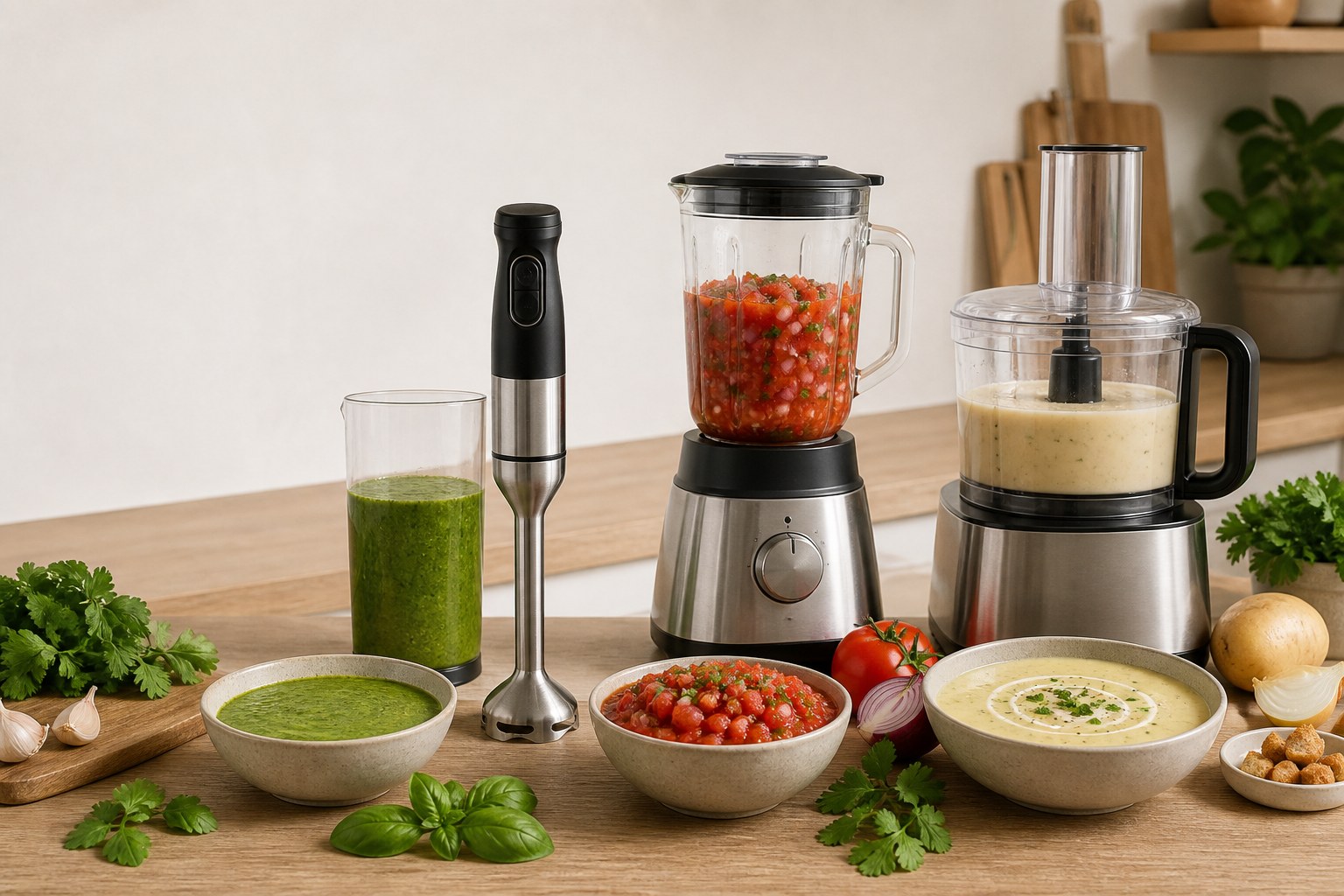
How to Balance Salt, Fat, Acid, and Heat
A practical tasting method for correcting food one small adjustment at a time.
Read the guide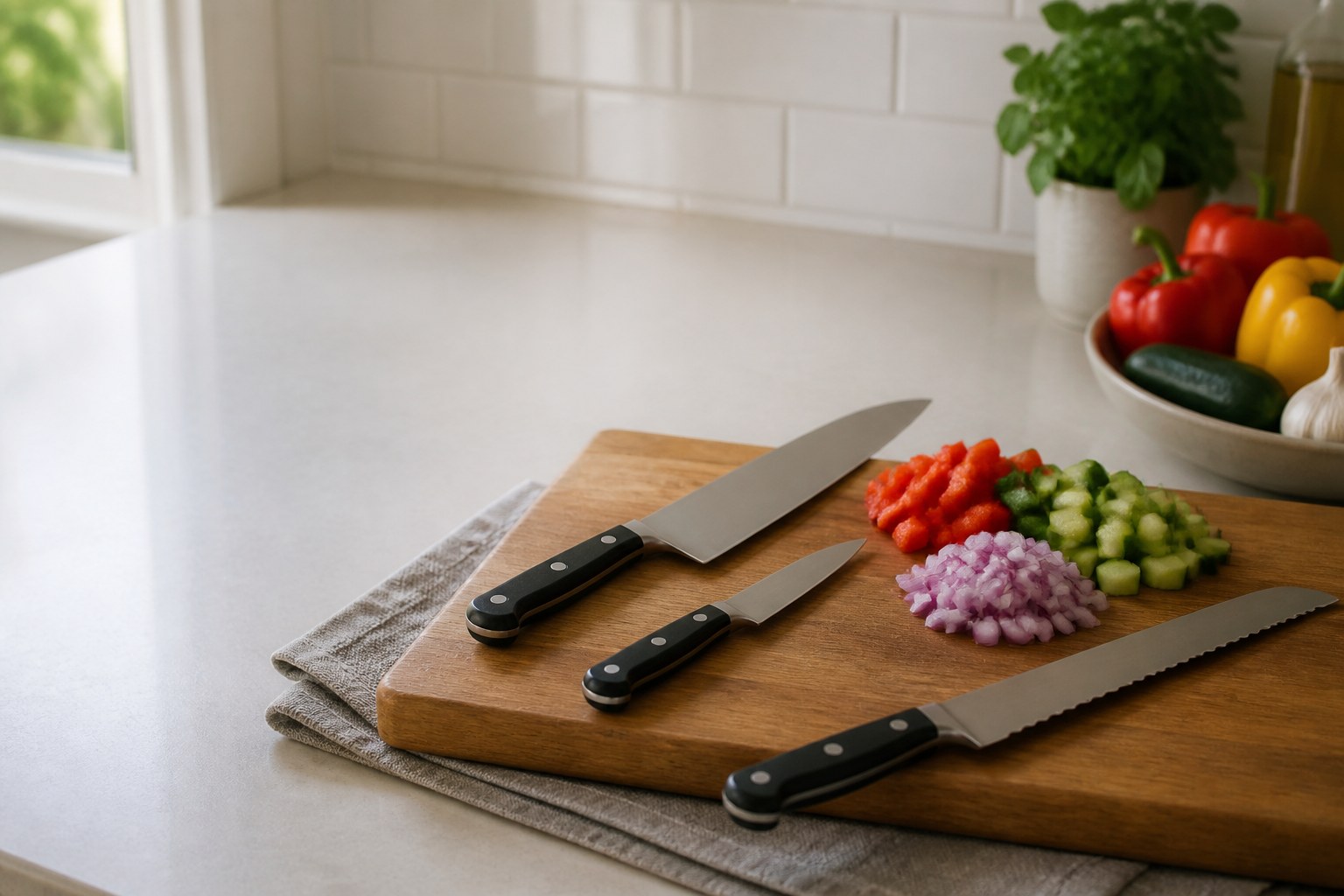
Mise en Place for Home Cooks
Prepare what needs attention now and keep the rest of the counter clear.
Read the guide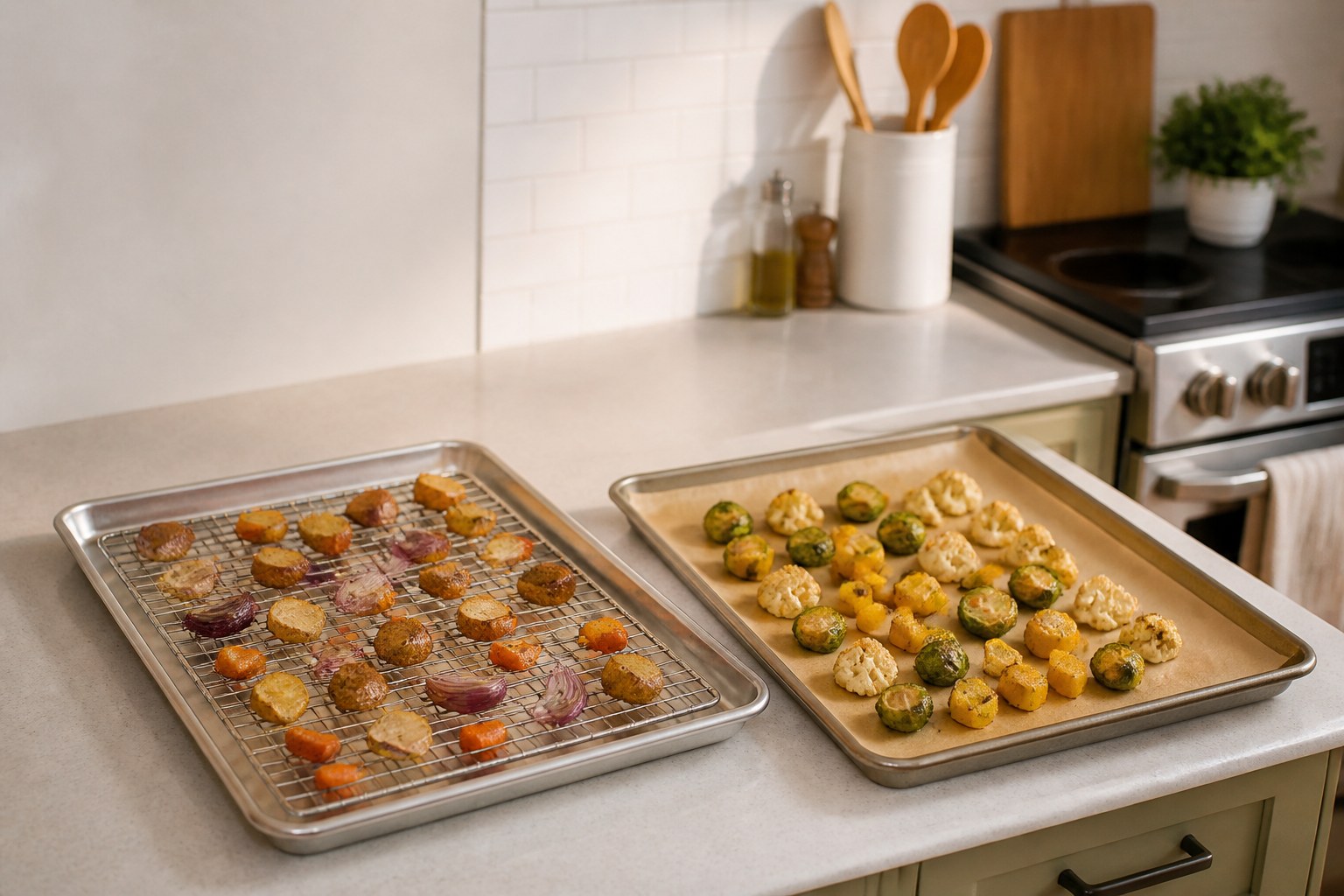
Choosing Cookware Materials
Match each pan to the heat, acidity, and handling your recipe calls for.
Read the guide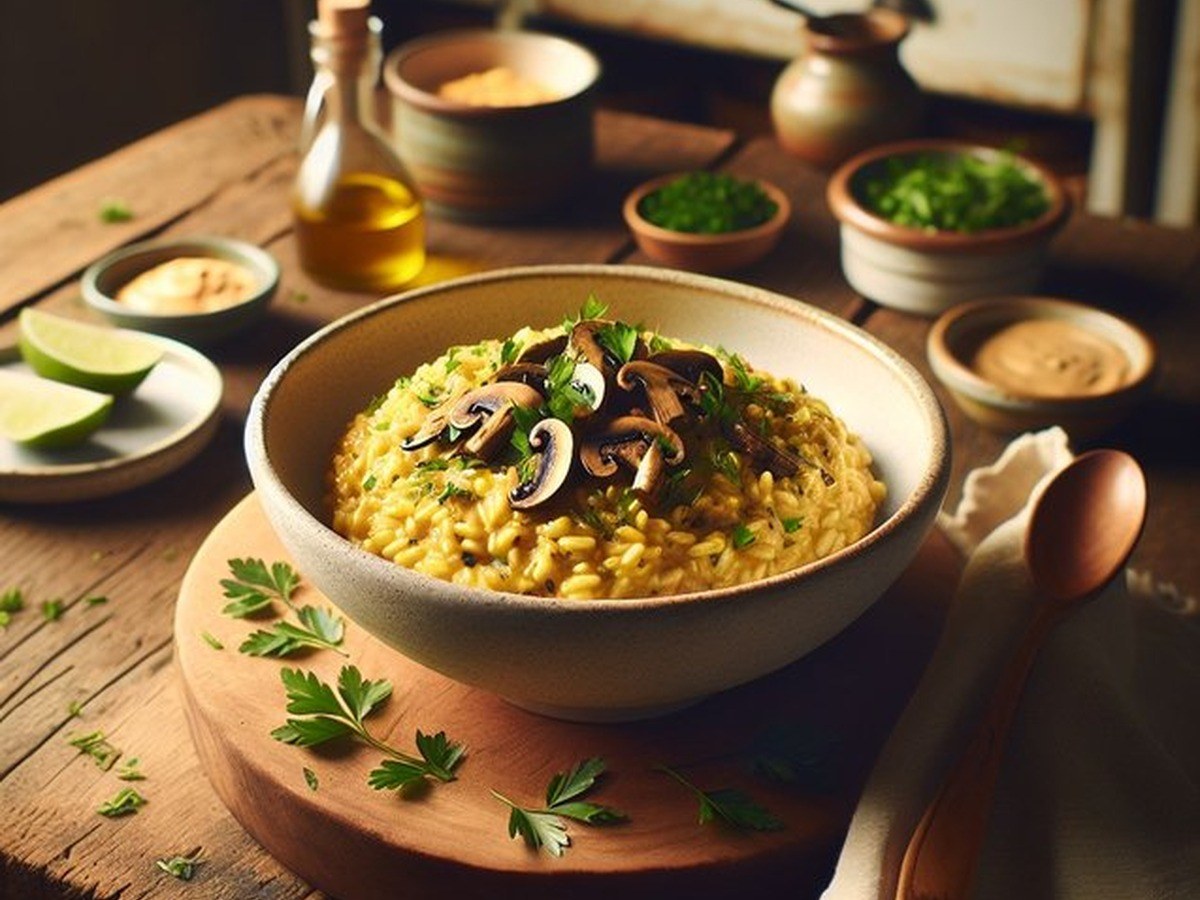
Rice and Grain Cooking Ratios
Start with package directions, then adjust for your pot, heat, and method.
Read the guide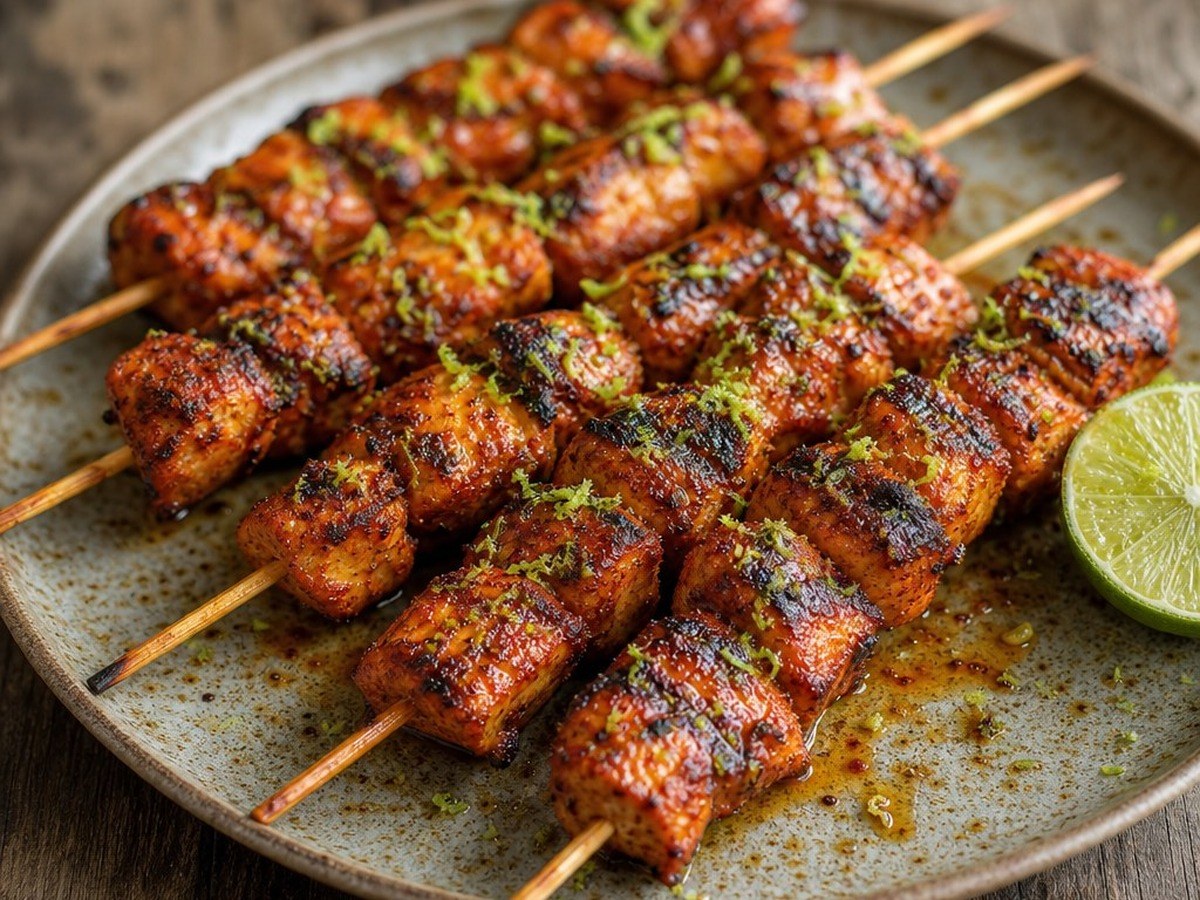
How to Marinate Food Safely
Build flavor while managing refrigeration, cross-contamination, and used marinade.
Read the guide