Rice and Grain Cooking Ratios
Use package guidance as the baseline, then understand how vessel, heat, rinsing, and resting change absorption.
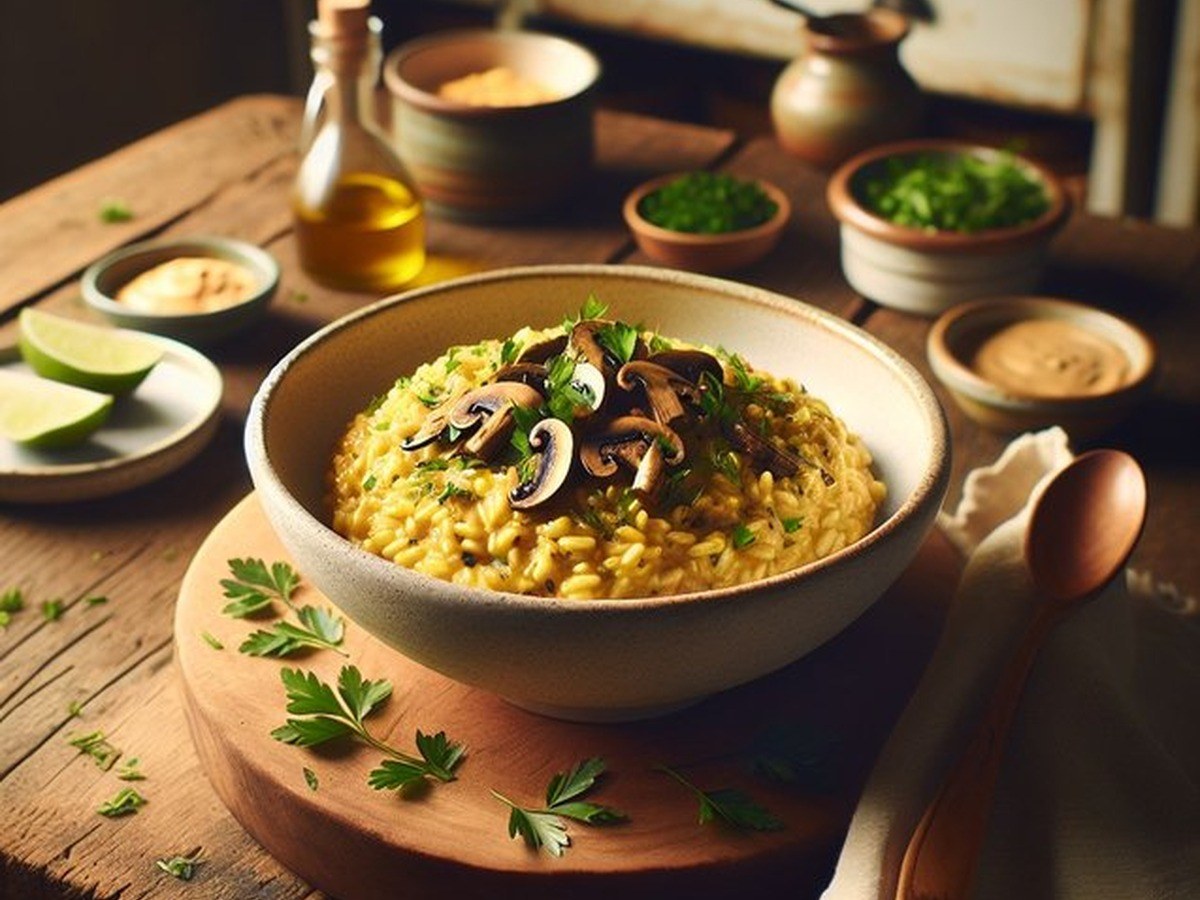
Why one universal ratio fails
Different rice varieties and grains absorb water at different rates. Processing, age, rinsing, soaking, pot width, lid fit, and burner strength also matter. Start with the package directions for the exact product, then record small adjustments for your normal pan and stove.
Measure consistently
Use the same measuring method for grain and liquid and level dry measures. If rinsing, drain thoroughly so unmeasured water does not travel into the pot. A scale can improve repeatability, but consistent cups are more useful than switching methods from batch to batch.
Control evaporation
A wide pan exposes more surface area and may lose liquid faster than a narrow saucepan. Bring the liquid to the instructed state, reduce heat promptly, and keep a well-fitting lid in place unless the method specifically calls for stirring. Repeatedly lifting the lid changes both heat and moisture.
Rest before fluffing
Many absorption-cooked grains benefit from a covered rest after the heat is turned off. The pause lets moisture redistribute and the surface firm slightly. Fluff gently with a fork or paddle rather than compressing the grains with repeated stirring.
Diagnose the result
If the grain is firm and the pot is dry, add a small measured amount of hot water and continue gently. If it is wet but nearly tender, uncover briefly or rest longer off heat. Change only one variable in the next batch so the result teaches you something useful.