How to Bake Fish Fillets: Temperature, Timing, and Doneness
Bake fillets in a single layer, then check the thickest piece with a food thermometer. The examples below use different oven settings and times; FDA recommends 145°F for most seafood.
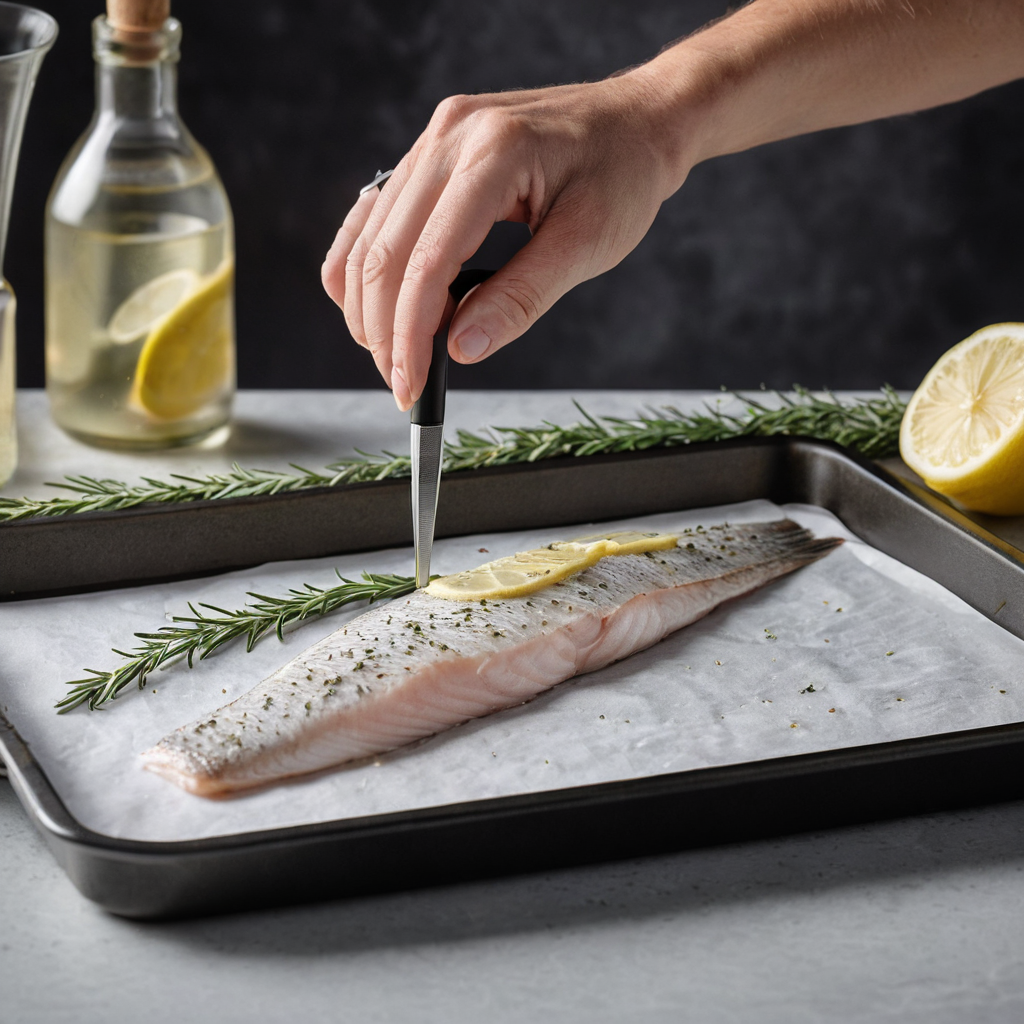
The Short Version
Use each timing range with the recipe it came from. If fillets vary in thickness, check them separately as they cook; one time estimate may not fit the whole pan.
When This Works
Choose this approach when you want to bake fresh or thawed fillets while you prepare the rest of dinner. The examples cover plain whitefish and breaded fish; match the oven setting and time to the recipe you are following.
Before You Start
Set out a rimmed baking sheet, paper towels, clean utensils, and a food thermometer. Pat the fillets dry before cooking. After handling raw fish, wash your hands and clean the board and utensils before they touch cooked food.
Bake the Fillets
Heat the oven to the setting in your recipe. One Penn State Extension recipe bakes four 4-ounce whitefish fillets at 375°F for 10 to 15 minutes. A separate Oregon State Extension recipe uses a single layer of 2 pounds of breaded fish at 500°F for 10 to 15 minutes, depending on thickness. Arrange the fillets in one layer. Check the thickest piece and cook until it reaches 145°F.
Check for Doneness
Cooked fish should look opaque and separate easily with a fork. Use the thermometer to confirm the 145°F target. If the center is still translucent or resists flaking, return the fillet to the oven and check it again after a short interval.
Common Problems
Crowded or overlapping fillets cook unevenly, so spread them out or use another pan. Insert the thermometer into the thickest portion or center of the fish, away from a thin edge. Fillets of different thickness can finish at different times, so check them separately. Wash hands and clean boards and utensils after raw-fish prep; keep them separate from cooked fish and ready-to-eat food.