About This Recipe
Imagine sitting down to a meal that not only tantalizes your taste buds but also transports you to a serene garden filled with fragrant herbs and sun-ripened citrus. That is exactly what this lavender lemon seabass recipe brings to the table. Combining the delicate flavors of seabass with the floral notes of lavender and the vibrant zest of lemon creates a dish that is both refreshing and luxurious. This recipe is perfect for those who want to explore the art of cooking fish while introducing a slightly unexpected flavor profile that speaks to the elegance of fine dining.
The use of lavender in culinary applications has a rich history, particularly in Mediterranean and Provençal cuisines, where it has been cherished for its aromatic properties. Traditionally known for its calming effects, lavender is most commonly found in desserts and herbal teas, but its nuanced flavor can elevate savory dishes remarkably well. Pairing this lovely herb with the bright acidity of lemon makes for a harmonious balance that perfectly complements the tender, flaky flesh of seabass, a favorite among seafood lovers. As you dive into crafting this exquisite meal, you will notice that seabass, ideally suited for this preparation, has a mildly sweet flavor with a buttery texture.
This fish is often found in the waters of the Mediterranean and the Atlantic, making it a staple in coastal regions. Its mildness allows the more pronounced flavors of the lavender and lemon to shine, enticing your palate without overwhelming it. In this culinary creation, the first step is marinating the seabass fillets in a mixture of freshly squeezed lemon juice and honey, which heightens the dish's sweetness while balancing the inherent tartness of the citrus.
Lavender, dried and carefully measured, adds an elegant floral note that elevates each bite. The synergy of flavors melds beautifully, creating an inviting aroma as the seabass takes in all the fragrant goodness during its marinating period. Cooking this delectable fish is equally vital to achieving a perfect result. The seabass can be prepared using various methods that each yield different textures and flavors.
Whether you choose to grill, bake, or pan-sear, you will find that the fish retains its moisture beautifully, especially when complemented by the drizzle of olive oil, garlic, and capers. These ingredients bring umami depth to the dish, with the capers adding a delightful brininess that harmonizes with the zesty lemon and aromatic lavender. When pairing this outstanding lavender lemon seabass recipe with side dishes and beverages, the options are endless. A simple salad of arugula dressed in a light vinaigrette can cleanse the palate, enhancing the experience of your main dish.
Alternatively, roasted vegetables or a creamy risotto can create a more substantial meal, encapsulating the summer garden vibes that this dish embodies. In terms of beverages, a chilled Pinot Grigio or a light Sauvignon Blanc will accentuate the flavors and provide a refreshing complement. Interesting facts about lavender add a layer of allure to your dining experience.
Not only is this herb celebrated for its culinary uses, but it also boasts therapeutic properties, often lauded for its calming effects on the body and mind. Sourcing culinary lavender from reputable suppliers ensures that you are using blossoms that are chemical-free and safe for consumption, allowing you to relish in the well-being that this herb brings to both your plate and your spirit. In summary, this lavender lemon seabass recipe captures the essence of summer in every bite. It is an invitation to explore the melding of flavors that celebrate the beauty of fresh ingredients and the creativity of culinary artistry.
The gentle yet vibrant flavors, coupled with the alluring aroma of lavender, make for an unforgettable dining experience that brings the elegance of the Mediterranean to your home table. Perfect for a weekend gathering or a simple weeknight dinner, this dish evokes the joy of good company and wholesome food. Try your hand at this recipe and let the sea and garden flavors dance on your palate, leaving you enchanted and satisfied. This recipe is perfect for those who want to explore the art of cooking fish while introducing a
Lavender Lemon Seabass
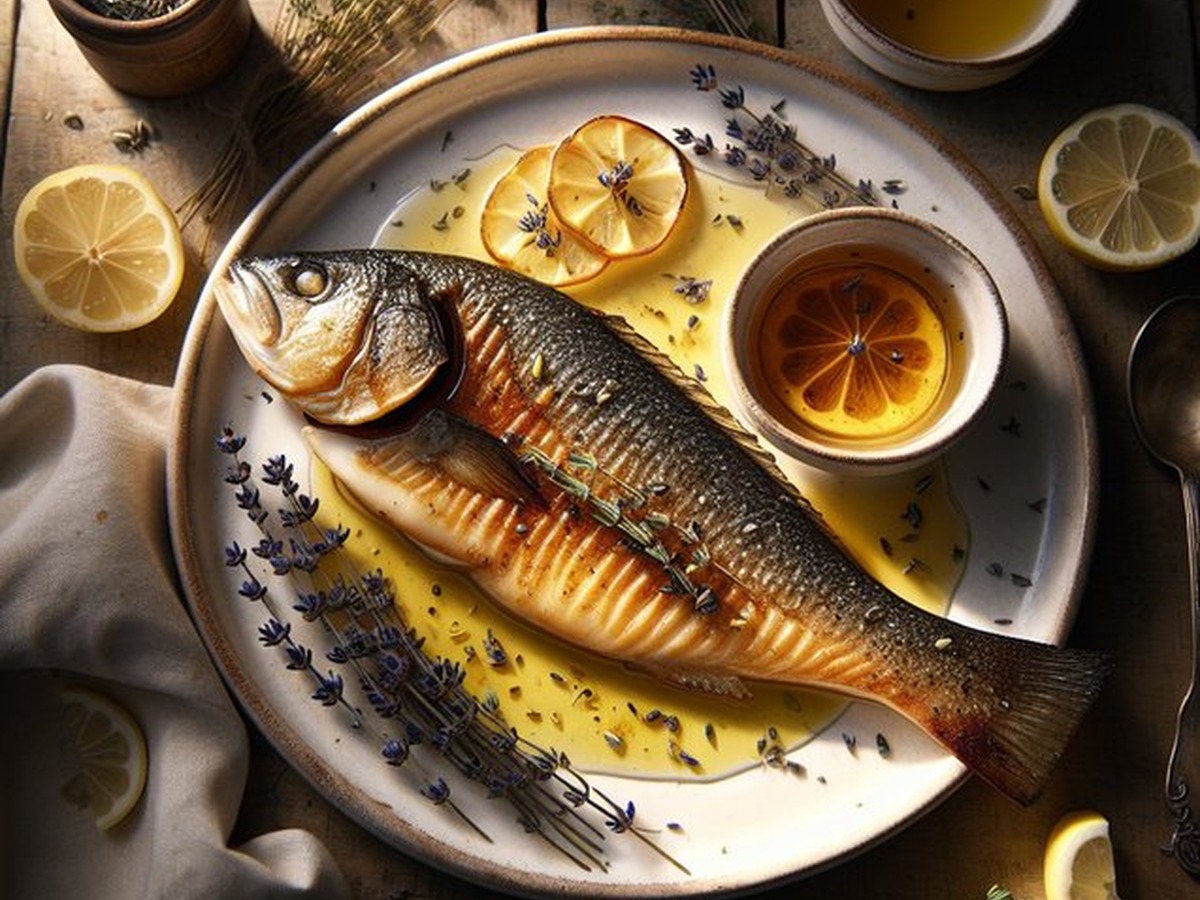
Citrus Lavender Seabass with Capers and Thyme
Seabass fillets bake under a bright lemon, honey, and culinary-lavender marinade, with capers and garlic adding a savory finish to this light Mediterranean-style dinner.
About This Recipe
Lavender Lemon Seabass keeps the plate light while giving a mild fish fillet a little more character. Lemon brings the sharp, clean note, honey rounds it out, and capers add the salty bite that keeps the sauce firmly savory. The lavender stays in the background, lending a soft floral aroma rather than turning the dinner sweet.
The pairing has a natural place beside the herb-and-citrus flavors associated with Mediterranean cooking, especially the sunlit, produce-driven cooking of southern France. Lavender is more familiar in sweets and teas, but a small amount can work beautifully with seafood when it is balanced by acid and olive oil. Choose lavender sold for culinary use, since ornamental plants are not prepared or labeled for the kitchen.
Seabass has a delicate texture and a clean, gently buttery flavor, so it does not need a heavy sauce or a long marinade. A short rest in lemon, honey, lavender, and olive oil seasons the surface while the oven heats. The capers, garlic, lemon slices, and thyme then perfume the baking juices without covering up the fish.
Covering the dish creates a little pocket of steam and helps the fillets stay tender. Start checking early because thickness varies more than the clock suggests, and use the thickest part of the fish for the temperature reading. At 145°F (63°C), the flesh should be opaque and separate easily into moist flakes.
Serve the seabass with roasted asparagus, herbed potatoes, couscous, or a crisp salad that can catch the lemony juices. A spoonful of the warm caper sauce over the side dish makes the meal feel complete without adding another rich component. If you want a drink with it, choose a crisp white wine or sparkling water with a strip of lemon peel.
The marinade can be whisked a day ahead, but keep it refrigerated and never reuse it after it has touched raw fish unless it is boiled first. Refrigerate cooked seabass within two hours and use it within three to four days. Reheat it gently, covered, with a splash of water or broth so the fillets do not dry out.
Ingredients
- 2 seabass fillets, about 1 pound total (450g)
- 1/4 cup fresh lemon juice (60mL)
- 1 teaspoon dried culinary lavender (1g)
- 1 tablespoon honey (21g)
- 1 teaspoon kosher salt (5g)
- 1/2 teaspoon black pepper (1g)
- 2 tablespoons extra-virgin olive oil (30mL)
- 1 tablespoon capers, drained (8g)
- 2 garlic cloves, finely minced (6g)
- 1 lemon, thinly sliced (about 110g)
- 2 sprigs fresh thyme (5g)
This post contains Amazon affiliate links. We may earn a commission if you purchase through them, at no additional cost to you.
Step by Step Instructions
- Heat the oven Preheat the oven to 375°F (190°C).
- Make the marinade Whisk the lemon juice, culinary lavender, honey, salt, pepper, and olive oil in a small bowl.
- Marinate the fish Place the seabass in a shallow baking dish and pour the marinade over it. Turn the fillets to coat and refrigerate for 10 minutes while the oven heats.
- Add the savory ingredients Scatter the garlic and capers around the fillets, then tuck the lemon slices and thyme sprigs into the dish.
- Cover the dish Cover the baking dish tightly with foil so the fish stays moist as it cooks.
- Bake the seabass Bake for 15 to 20 minutes, depending on the thickness of the fillets, until the flesh is opaque and flakes easily.
- Check the temperature Insert an instant-read thermometer into the thickest part of a fillet. The fish is ready at 145°F (63°C).
- Rest briefly Remove the foil and let the fish rest for 3 minutes so the juices settle.
- Serve with pan juices Lift the fillets onto plates and spoon the lemon-caper juices over them. Finish with the cooked lemon slices and thyme.
Utensils
- Shallow baking dish
- Small mixing bowl
- Whisk
- Measuring spoons
- Measuring cup
- Citrus juicer
- Microplane or citrus zester
- Chef's knife
- Cutting board
- Aluminum foil
- Instant-read thermometer
This post contains Amazon affiliate links. We may earn a commission if you purchase through them, at no additional cost to you.
Nutrition Per Serving
| Nutrient | Amount | % Daily Value* |
|---|---|---|
| Calories | 340 kcal | 17% |
| Protein | 38 g | 76% |
| Fat | 17 g | 22% |
| Saturated Fat | 3 g | 15% |
| Carbohydrates | 12 g | 4% |
| Sugars | 8 g | — |
| Fiber | 1 g | 4% |
| Sodium | 780 mg | 34% |
Nutrition is an estimate based on the listed ingredients and two servings.
Variations & Serving Suggestions
- Use cod, halibut, or haddock in place of seabass, adjusting the baking time for the thickness of the fillets.
- Replace the thyme with parsley or dill if you want a greener, more familiar herb profile.
- Serve with roasted asparagus, herbed potatoes, couscous, or a crisp arugula salad.
Storage & Reheating
Within two hours of cooking, cool leftover fish and refrigerate it in a shallow airtight container at 40°F (4°C) or below. Use it within three to four days.
Reheat gently in a covered skillet over low heat with a splash of water or broth. Stop as soon as the fish is hot so the fillets stay tender.
Practical Cooking Notes
Choose a food-grade product and measure it carefully because the flavor is concentrated.
Ten minutes seasons the fish without letting the lemon soften its delicate surface.
Remove the fish at 145°F (63°C), then let it rest briefly before serving.
Frequently Asked Questions
Can I use another fish instead of seabass?
Yes. Cod, halibut, haddock, or another firm white fish can work with the same lemon-lavender marinade. Adjust the baking time for the thickness of the fillets and check the thickest piece for 145°F (63°C).
How much culinary lavender should I use?
Use the measured 1 teaspoon for this two-serving recipe, and make sure the package says culinary lavender. Lavender is potent, so adding more can make the fish taste bitter or perfumed instead of gently floral.
How do I keep Lavender Lemon Seabass moist?
Keep the baking dish covered for most of the cooking time, start checking early, and remove the fish as soon as the thickest part reaches 145°F (63°C). A three-minute rest lets the juices settle before serving.
How should I store and reheat leftover seabass?
Refrigerate leftovers in a shallow airtight container within two hours and use them within three to four days. Reheat gently in a covered skillet or low oven with a splash of water or broth until hot, taking care not to overcook the fish.