Grilled Fish Fillets With Coconut Milk And Lemongrass
Grilled Fish Fillets With Coconut Milk And Lemongrass is a Thai recipe categorized as dinner, with 15 min of prep, 15 min of cooking, and 33 min total. It yields 4 servings.
Flavor & Inspiration
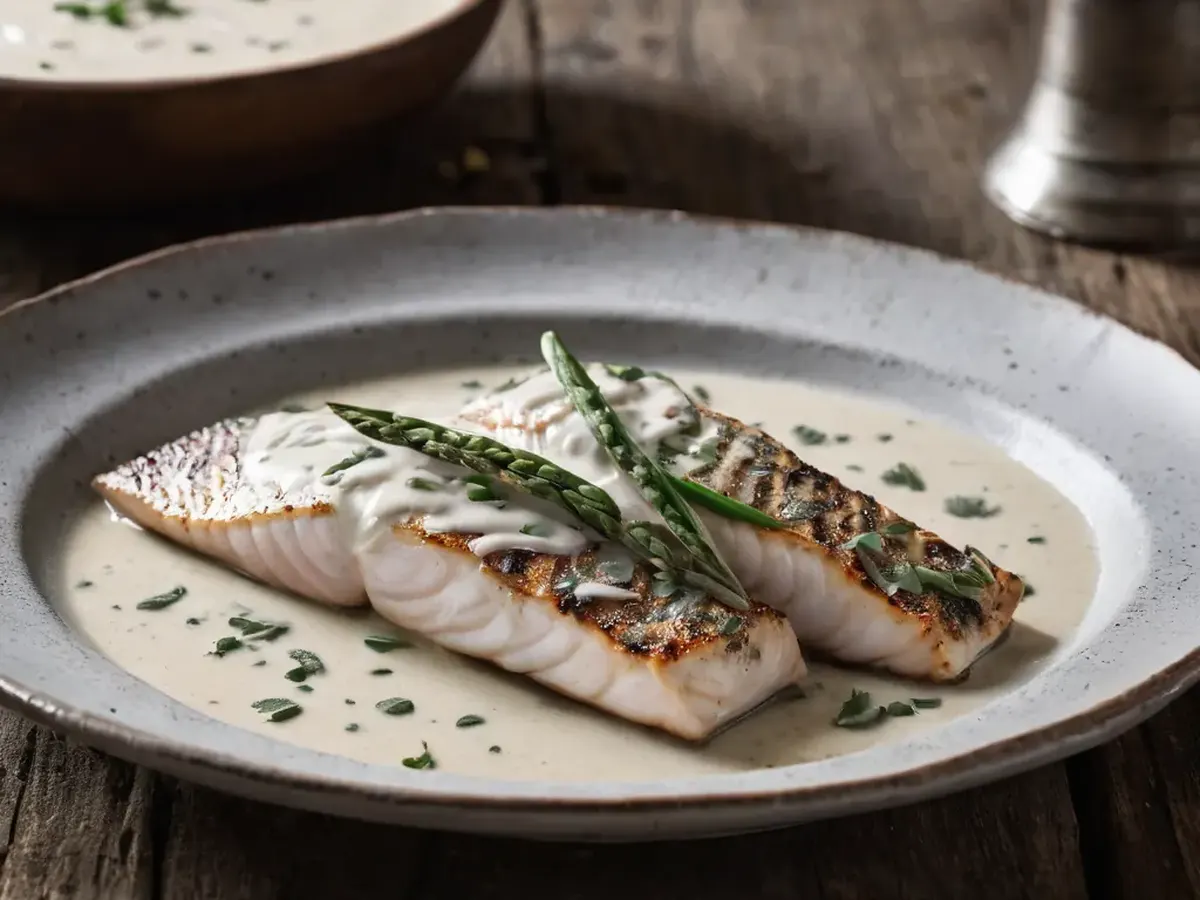
This dish draws its inspiration from the coastal regions of Thailand, where the interplay of fresh herbs and creamy coconut milk defines the local palate. The aroma of bruised lemongrass fills the kitchen, releasing citrusy notes that pair perfectly with the mild sweetness of the fish. Grilling imparts a subtle smokiness that elevates the delicate texture of the fillets without overpowering their natural flavor. The sauce simmers gently to allow the lemongrass to infuse the coconut milk with its distinct, refreshing essence.
A hint of palm sugar balances the sharp tang of lime juice, creating a harmonious blend of sweet and sour elements. Fish sauce adds a necessary layer of savory depth that anchors the lighter ingredients in the dish. The finished appearance features glistening fillets coated in a rich, creamy white sauce speckled with green cilantro. Small slices of red chili provide a vibrant pop of color that contrasts beautifully against the pale fish and sauce.
The texture of the fish remains tender and flaky, while the sauce offers a velvety smoothness that coats every bite. This meal is ideal for a summer evening when the air is warm and the desire for light, refreshing food is strong. It pairs exceptionally well with steamed jasmine rice or a crisp green salad to round out the dining experience. The dairy-free and pescatarian nature of the recipe makes it suitable for those with specific dietary restrictions who still crave bold flavors.
Home cooks will appreciate how the simple grilling method allows the quality of the fish to shine through. The combination of aromatic herbs and rich coconut milk creates a satisfying meal that feels both elegant and comforting. Fresh cilantro leaves added at the end provide a final burst of herbal brightness that lifts the entire dish. This preparation honors the traditional Thai approach to balancing flavors while remaining accessible to cooks of all skill levels.
The result is a plate that invites the diner to savor the freshness of the ingredients and the warmth of the spices. It serves as a perfect centerpiece for a casual dinner party or a quick weeknight meal that does not compromise on taste. The lingering scent of lemongrass and coconut on the palate ensures the memory of the meal lasts long after the last bite. Every element from the smoky grill marks to the fragrant sauce works together to create a cohesive and delightful culinary experience.
Ingredients
- 5 lbs white fish fillets (such as tilapia, cod, or halibut), skin removed
- 1 can (13.5 oz) full-fat coconut milk
- 2 stalks fresh lemongrass, tough outer layers removed, lower 4 inches bruised and cut into 3-inch pieces
- 2 tbsp fish sauce, certified gluten-free
- 1 tbsp fresh lime juice
- 1 tsp palm sugar or brown sugar
- 1 tbsp neutral oil (such as vegetable or canola oil)
- 1 small red chili, thinly sliced (optional, for garnish)
- 1 tbsp fresh cilantro leaves, chopped
Ingredient flexibility
lemongrass: 1 tablespoon fresh lime zest
Expected result: Provides a bright citrus aroma similar to lemongrass but lacks the grassy depth.
Adjustment: Add the zest during the final minute of simmering the sauce to prevent bitterness.
fish sauce: 1 tablespoon soy sauce (certified gluten-free)
Expected result: Offers a salty, savory umami flavor but with a darker color and slightly different salt profile.
Adjustment: Use the same quantity as fish sauce; taste before adding more salt as soy sauce can be saltier.
white fish fillets: 1.5 lbs firm white fish steaks (such as swordfish or tuna)
Expected result: Creates a meatier texture that holds up well to grilling but requires slightly longer cooking.
Adjustment: Increase grilling time by 1-2 minutes per side and verify the internal temperature reaches 145°F.
Step-by-Step Instructions
- Prepare the grill and fishPreheat a grill or grill pan to medium-high heat and lightly oil the grates. Pat the fish fillets dry with paper towels and brush both sides lightly with the neutral oil. Season the fillets with a pinch of salt and place them on the hot grill, cooking for 3 to 4 minutes per side until the fish is opaque and flakes easily with a fork. The internal temperature must reach 145°F, followed by a three-minute rest.
- Simmer the coconut lemongrass sauceWhile the fish cooks, combine the coconut milk, bruised lemongrass pieces, fish sauce, and sugar in a small saucepan. Bring the mixture to a gentle simmer over medium-low heat and cook for 5 to 7 minutes until the lemongrass releases its aroma and the sauce thickens slightly. Remove the pan from the heat and discard the lemongrass stalks before stirring in the fresh lime juice.
- Plate and garnish the dishTransfer the rested fish fillets to serving plates and spoon the warm coconut lemongrass sauce generously over the top. Garnish with fresh cilantro leaves and optional sliced red chili for a touch of color and heat. Serve immediately while the fish is still warm and the sauce is fragrant.
Utensils
- Grill or cast-iron grill pan
- Small saucepan
- Tongs or fish spatula
- Pastry brush
- Instant-read thermometer
- Chef's knife and cutting board
- Measuring cups and spoons
- Spoon for the sauce
- Serving plates
Nutrition Per Serving
- Calories: 380 kcal
- Protein: 28 g
- Fat: 22 g
- Carbohydrates: 12 g
- Fiber: 1 g
- Sodium: 620 mg
Estimated per serving.
Storage & Reheating
Storage
Refrigerate the grilled fish fillets and coconut lemongrass sauce within two hours of cooking by dividing them into shallow portions to ensure rapid cooling. Store the leftovers in an airtight or covered container at 40°F (4°C) or below, where they will remain safe to eat for 3 to 4 days. The sauce may thicken upon standing, so be prepared to stir it before serving.
Reheating
Reheat the leftovers in a skillet over medium-low heat to gently warm the fish and sauce, adding a splash of water or coconut milk if needed to retain moisture and prevent the fish from drying out. Alternatively, you can reheat the dish in a covered microwave-safe dish, stirring halfway through to ensure even heating. Verify that the leftovers reach an internal temperature of 165°F (74°C) before serving to ensure food safety.
Practical Cooking Notes
The fish is done when it reaches an internal temperature of 145°F in the thickest part and flakes easily with a fork. Ensure the flesh is opaque throughout and no longer translucent.
Bruising the lemongrass stalks with the flat side of a knife is essential to release the aromatic oils without turning the stalks into mush. Removing the fibrous stalks before serving is critical as they remain tough and inedible even after simmering.
Perishable leftovers must be refrigerated within two hours of cooking to prevent bacterial growth, especially since the coconut milk creates a favorable environment for bacteria if left at room temperature. Ensure the fish reaches an internal temperature of 165°F (74°C) when reheating any leftovers to guarantee safety.
The listed substitutions can change moisture, sweetness, salinity, and cook time; make one change at a time and judge the final texture before serving.
Troubleshooting
The fish is dry or tough after grilling.
Likely cause: The fish was overcooked or the grill temperature was too high, causing rapid moisture loss.
Fix: Reduce the heat to medium and check the internal temperature frequently, removing the fish as soon as it hits 145°F.
The coconut milk sauce has separated or curdled.
Likely cause: The sauce was boiled too vigorously, causing the fats to separate from the liquid.
Fix: Simmer the sauce gently over low heat and stir frequently; if it separates, a quick whisk can often re-emulsify it.
The lemongrass flavor is too faint in the sauce.
Likely cause: The stalks were not bruised sufficiently or simmered for too short a time.
Fix: Bruise the stalks firmly with the flat side of a knife and simmer the sauce for at least 5 minutes to extract the full flavor.
Recipe FAQs & Cooking Guidance
Can I use frozen fish for this recipe?
Yes, you can use frozen fish fillets, but they must be completely thawed and patted very dry before grilling to ensure proper browning and to prevent steaming.
Is this dish spicy?
The base recipe is not spicy, but you can add sliced fresh chilies or a pinch of red pepper flakes to the sauce if you prefer a bit of heat.
Can I make the sauce ahead of time?
Yes, you can prepare the coconut lemongrass sauce up to two days in advance and store it in the refrigerator; just reheat it gently before serving.
What rice pairs best with this dish?
Steamed jasmine rice is the traditional choice as its floral aroma complements the lemongrass, but basmati or even a simple quinoa salad works well too.