Classic Macaroni and Cheese Recipe
Stovetop-to-Oven Classic Macaroni and Cheese
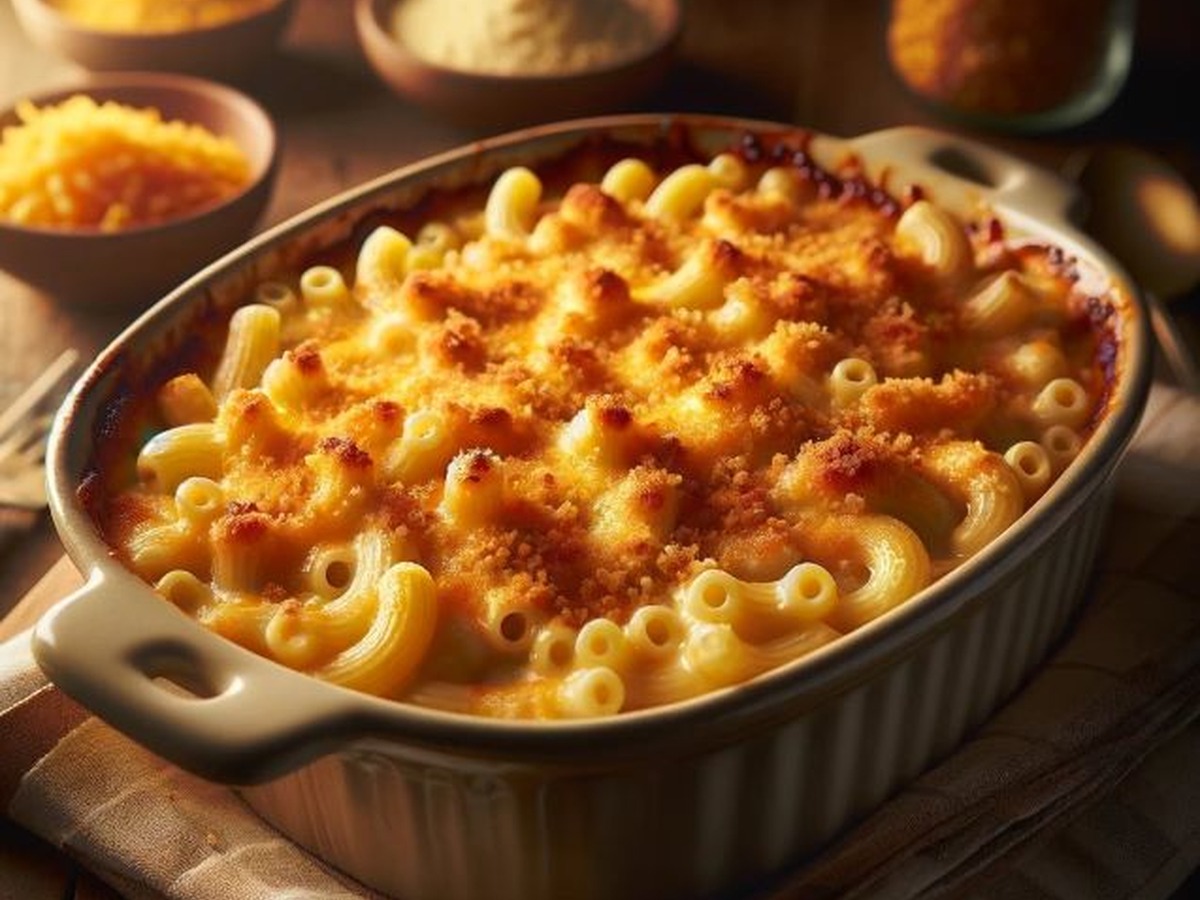
About This Recipe
Macaroni and cheese has no single point of origin, but its long story begins with a simple idea: pasta, fat, and cheese made more comforting by heat. European cooks were combining those ingredients in different forms for centuries, and an English cookbook published in 1769 included a baked macaroni preparation. The short elbow pasta and creamy casserole familiar in American kitchens came later, shaped by changing ingredients, ovens, and household habits.
Eighteenth- and nineteenth-century recipes were wonderfully flexible about the pasta and the cheese. Some used long pieces or dried pasta from Naples, while others layered the noodles with butter, cream, Parmesan, Gruyere, or whatever a household could afford. Thomas Jefferson helped bring pasta-making knowledge into the American story, but the surviving record does not support calling him the inventor of macaroni and cheese.
The people who cooked these dishes deserve as much attention as the names that survived in famous kitchens. James Hemings trained in French cooking in Paris while enslaved by Jefferson, and his skill helped shape the food served in Jefferson's household even though the evidence cannot prove he invented the dish. Mary Randolph's 1824 cookbook and other nineteenth-century sources helped carry macaroni preparations into a wider American cooking tradition.
Macaroni and cheese also grew through African American and Caribbean foodways, where baked versions are sometimes called macaroni pie and appear in family, church, and community cooking. In the twentieth century, packaged macaroni and cheese added another chapter when Kraft introduced its boxed version in 1937, an especially useful low-cost meal during the Great Depression. The casserole, the stovetop pot, and the boxed dinner now sit alongside one another as living versions of the same broad comfort-food idea.
This recipe uses a butter-and-flour roux to give whole milk enough body to carry sharp cheddar and Parmesan. Paprika adds gentle warmth and color, while cooking the macaroni just until al dente keeps it from becoming soft after the sauce and oven finish their work. A short bake creates bubbling edges and a lightly golden crumb topping without asking the cheese sauce to survive an unnecessarily long stay in the heat.
Let the dish rest for a few minutes before serving so the sauce can settle into the pasta instead of running across the plate. A crisp salad, steamed broccoli, roasted green beans, or sautéed greens brings freshness beside the rich casserole. The method leaves plenty of room for a family's preferred cheeses and add-ins while keeping the spirit of a classic American comfort-food table.
Nutritional Information (per serving)
| Nutrient | Amount | % Daily Value* |
|---|---|---|
| Calories | 350 kcal | 18% |
| Protein | 15 g | 30% |
| Total Fat | 15 g | 19% |
| Carbohydrates | 45 g | 16% |
| Fiber | 2 g | 7% |
*Percent Daily Values are based on a 2,000-calorie diet.
Ingredients
- 8 oz elbow macaroni (227g)
- 2 tablespoons unsalted butter (28g)
- 2 tablespoons all-purpose flour (16g)
- 2 cups whole milk (480mL)
- 2 cups shredded sharp cheddar cheese (225g)
- 1/2 cup grated Parmesan cheese (50g)
- 1/2 teaspoon paprika (1g)
- 1/2 teaspoon kosher salt (3g)
- 1/4 teaspoon black pepper (1g)
- 1/4 cup breadcrumbs, optional (30g)
Step by Step Instructions
- Preheat the oven to 350°F (175°C). Bring a large pot of salted water to a boil and lightly butter a medium baking dish.
- Cook the macaroni until just al dente according to the package directions, then drain it well. Do not rinse the pasta, because a little surface starch helps the sauce cling.
- Melt the butter in a saucepan over medium heat. Whisk in the flour and cook for about 1 minute, stirring constantly, until the roux is smooth and lightly foamy.
- Gradually whisk in the milk. Simmer for 3 to 5 minutes, whisking often, until the sauce thickens enough to coat the back of a spoon without boiling hard.
- Remove the saucepan from the heat and stir in the cheddar, Parmesan, paprika, kosher salt, and black pepper until the cheeses melt into a smooth sauce.
- Fold the drained macaroni into the cheese sauce. Transfer it to the prepared baking dish and scatter the breadcrumbs evenly over the top if using them.
- Bake for about 20 minutes, until the edges are bubbling and the top is lightly golden. If the breadcrumbs brown early, cover the dish loosely with foil for the remaining minutes.
- Let the macaroni and cheese rest for 5 minutes before serving. The sauce will thicken slightly as it cools, making the portions easier to spoon.
Variations & serving suggestions: use Gruyere, Monterey Jack, fontina, or mild cheddar in the blend, or fold in cooked broccoli or sautéed mushrooms. Serve with a crisp salad or steamed vegetables to balance the creamy casserole.
Utensils
- Large pot
- Colander
- Medium saucepan
- Whisk
- Wooden spoon or heat-safe spatula
- Measuring cups and spoons
- Medium baking dish
- Pastry brush for buttering the dish
- Aluminum foil (optional, for covering)
- Oven mitts
- Wide serving spoon
Storage & Reheating
Storage
Within two hours of cooking, refrigerate leftover Classic Macaroni and Cheese Recipe in a shallow airtight container at 40°F (4°C) or below. Use it within 3 to 4 days, or freeze it sooner if you will not finish it in that window.
Reheating
Reheat a portion gently in a covered saucepan or skillet with a splash of milk, stirring occasionally to restore moisture. Verify that the center reaches 165°F (74°C) before serving.
Practical Cooking Notes
Large pot, colander, medium saucepan, whisk, wooden spoon or spatula, measuring tools, medium baking dish, and oven mitts.
The macaroni should be al dente before baking. Remove the dish when the edges are bubbling and the top is lightly golden, then rest it for 5 minutes so the sauce can settle.
Timing guide: about 15 minutes of prep and 35 minutes of cooking, for 50 minutes total, including the pasta, sauce, bake, and short resting period.
Frequently Asked Questions
How do I keep macaroni and cheese creamy after baking?
Cook the pasta only until al dente, thicken the milk sauce gently, and remove the saucepan from the heat before adding the cheese. Bake just until the edges bubble, then rest the dish for 5 minutes; a long bake can make the sauce tighten and turn grainy.
Can I prepare macaroni and cheese ahead of time?
Yes. Grate the cheeses and make the sauce ahead, or assemble the unbaked dish and refrigerate it covered. Add a few minutes to the bake if it is cold from the refrigerator, and begin checking when the center is hot and the edges are bubbling.
Can I use a different cheese?
Use cheeses that melt smoothly, such as Monterey Jack, Gruyere, fontina, or mild cheddar, alone or blended with the sharp cheddar. Avoid relying on very dry or pre-shredded cheese for the entire sauce because it can melt less evenly.
How should I store and reheat leftovers?
Refrigerate leftovers in a shallow airtight container within 2 hours and use them within 3 to 4 days. Reheat a portion gently in a covered pan with a splash of milk, stirring occasionally, until the center reaches 165°F (74°C).