What Is Milk? A Practical Ingredient Guide
Cow's milk adds a mild flavor and creamy texture to batters, soups, and sauces. Learn what to check on the label, how to use it in recipes, and how to store it safely.
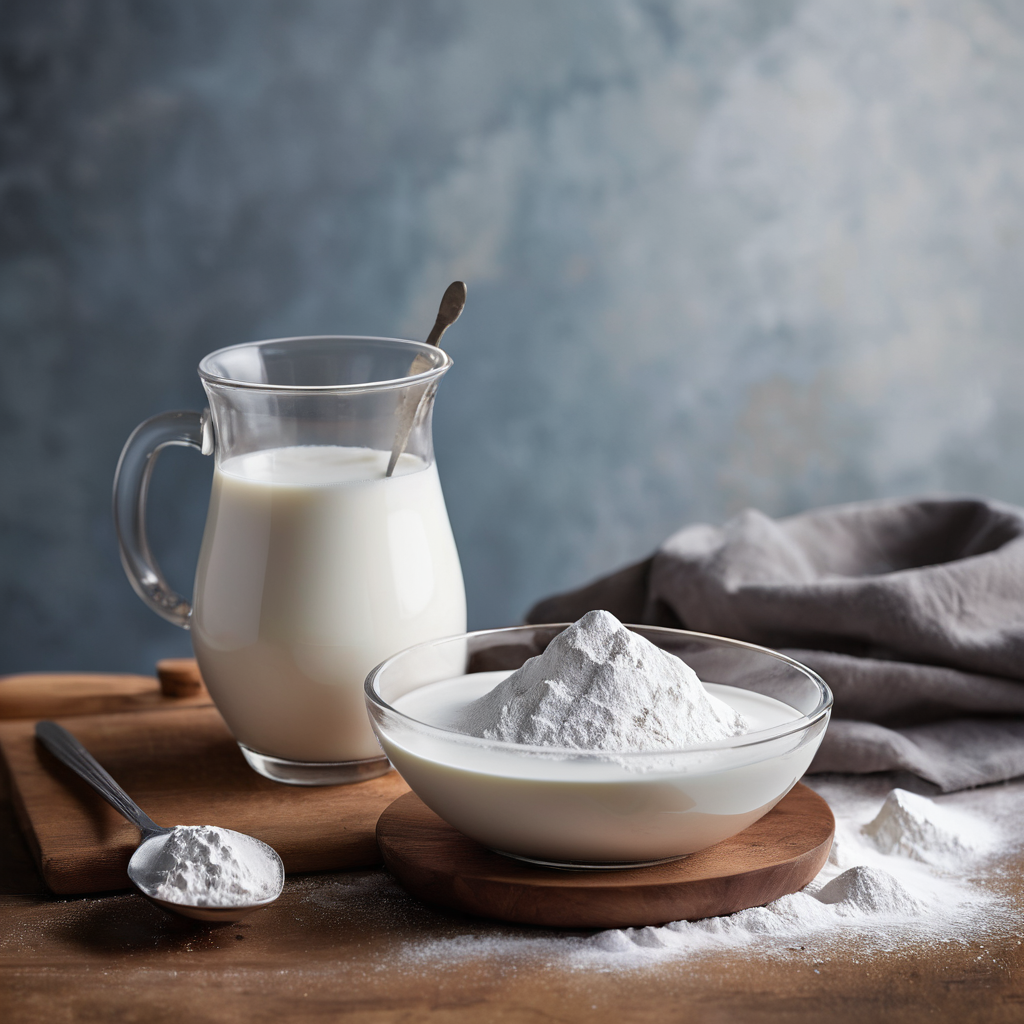
Definition
The U.S. standards define cow's milk as a beverage with adjustable milkfat content. Packaged drinking milk is pasteurized or ultra-pasteurized. These heat treatments reduce harmful bacteria.
Flavor
Milk offers a mild, creamy base that carries spices and herbs without overpowering them. Its subtle sweetness balances tangy elements like tamarind or the heat of curry powders.
Common Uses
Fluid milk works well in batters for fried items, as a liquid base for overnight oats, and as a creamy component in casseroles and soups. It helps bind ingredients in meatloaf and provides richness to rice dishes.
Selection
Choose milk labeled as pasteurized to ensure safety. When comparing products, check the Nutrition Facts label to see the specific nutrient amounts and fat content, as these vary between brands and types.
Preparation
Milk is often used directly from the carton in recipes. If a recipe calls for buttermilk and you do not have it, you can create a substitute by mixing milk with an acid. Dry milk or evaporated milk can also replace fluid milk in specific cooking and baking contexts.
Storage
Keep milk refrigerated at or below 40°F to maintain quality. Perishable items should be stored promptly after purchase or use. Always check the product label for specific storage instructions and dates.
HC Recipes
Milk appears in recipes from across the site, including Classic Macaroni and Cheese, Thai Green Curry Chicken, and Sweet Chili Coconut Shrimp Stir-Fry.
HC Recipes That Use This
- Classic Macaroni and Cheese Recipe
- Thai Green Curry Chicken Recipe
- Unbelievable Indian Style Sweet Meatloaf Recipe
- Coconut Curry Pineapple Fried Rice
- Coconut Mango Shrimp
- Spiced Saffron Coconut Chicken Curry
- Tangy Tamarind Chicken Curry
- Tamarind Coconut Chicken Curry
- Mango Mint Masala Chicken Stew
- Sweet Chili Coconut Shrimp Stir-Fry
- Tropical Sunset Garlic Shrimp Risotto
- Emerald Curry Spinach And Chickpeas