Butter Chicken (Murgh Makhani)
Creamy Tomato Butter Chicken with Fenugreek
Tender chicken thighs simmer in a tomato, cream, butter, and fenugreek sauce for a warmly spiced take on classic murgh makhani.
About This Recipe
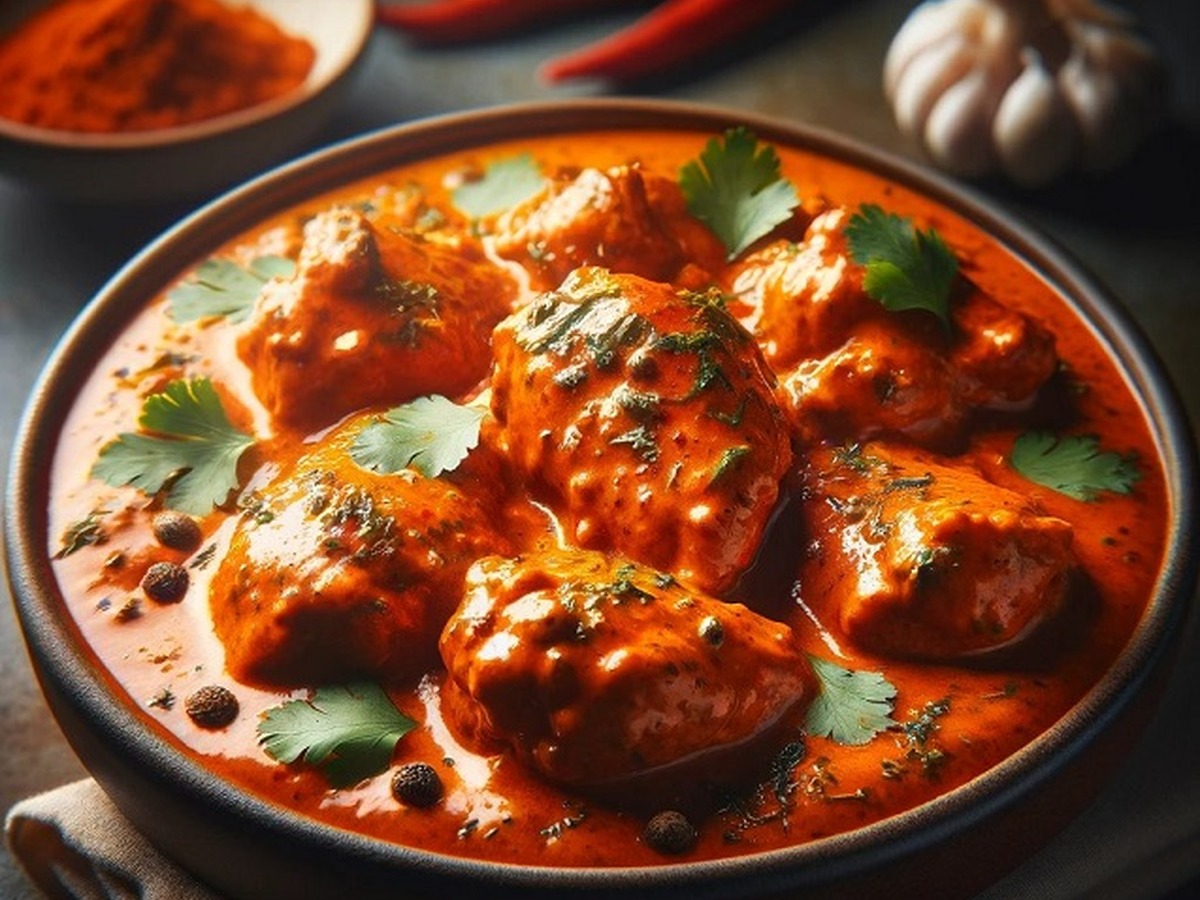
Butter chicken, or murgh makhani, is built around a contrast that makes the dish so inviting: browned chicken in a sauce that is silky, tangy, gently sweet, and rich with butter and cream. Yogurt, lemon, and warm spices give the thighs a flavorful marinade before they meet a tomato base. Once the chicken returns to the skillet, the sauce gathers all of those flavors into a dinner that feels celebratory but is still easy to serve with rice or flatbread.
The dish is widely associated with Delhi's Moti Mahal and with the Punjabi restaurant tradition that grew in the years around Partition, although the exact origin story is told in more than one way. One often-repeated account connects murgh makhani to making a generous tomato-butter sauce for tandoori chicken, turning smoky leftovers into a new meal. This home-kitchen version uses a skillet and boneless thighs, but it keeps the same appealing idea of tender chicken carried by a deeply seasoned tomato sauce.
The yogurt marinade does more than add tang. It coats the chicken with salt, lemon, cumin, turmeric, Kashmiri chili, and garam masala while the thighs rest, giving the spices time to settle into the surface. Thirty minutes is the minimum useful marinating time, while an overnight rest is convenient when you are planning dinner ahead; keep the bowl refrigerated throughout.
Brown the chicken in batches so the pieces have room to color instead of steaming. The browned bits left in the skillet become part of the sauce once the onion softens, the ginger-garlic paste blooms, and the crushed tomatoes reduce. Let the tomatoes thicken before adding the cream, because a concentrated base gives the finished sauce a rounder flavor and keeps it from tasting watery.
Heavy cream and butter are added toward the end, when the pan can stay at a gentle simmer. Crush the dried fenugreek between your palms before stirring it in; the small step releases its minty, savory aroma without making the sauce taste bitter. Use an instant-read thermometer in the thickest piece and cook until the chicken reaches 165°F (74°C), then take the pan off the heat so the sauce stays smooth.
Serve the curry with basmati rice, naan, roti, or a simple cucumber salad that brings freshness to the rich sauce. Leftovers keep in the refrigerator for three to four days and reheat best over low heat with a splash of water, rather than at a hard boil that can make the cream sauce separate. If you need a dairy-free version, coconut yogurt, vegan butter, and coconut cream can work, though they bring a slightly different sweetness and aroma to the finished dish.
Ingredients
- 1 1/2 lb boneless skinless chicken thighs, cut into bite-size pieces (680g)
- 1/2 cup plain full-fat yogurt (120g)
- 1 tablespoon fresh lemon juice (15mL)
- 2 teaspoons garam masala, divided (4g)
- 1 teaspoon ground cumin (2g)
- 1/2 teaspoon ground turmeric (1g)
- 1/2 teaspoon Kashmiri chili powder (1g)
- 1 teaspoon kosher salt (5g)
- 3 tablespoons unsalted butter, divided (42g)
- 1 large yellow onion, finely chopped
- 1 tablespoon ginger-garlic paste (15g)
- 1 can crushed tomatoes (14 oz / 397g)
- 1/2 cup heavy cream (120mL)
- 1 teaspoon dried fenugreek leaves, crushed (1g)
- 2 tablespoons fresh cilantro, chopped (8g)
Step-by-Step Instructions
- Marinate the chicken Combine the chicken with the yogurt, lemon juice, 1 teaspoon garam masala, cumin, turmeric, Kashmiri chili powder, and kosher salt. Cover and refrigerate for at least 30 minutes or up to 12 hours.
- Brown the chicken Melt 1 tablespoon butter in a large skillet over medium-high heat and cook the chicken in batches for 3 to 4 minutes per side, until browned but not necessarily cooked through. Transfer it to a plate.
- Soften the onion Reduce the heat to medium, add 1 tablespoon butter and the onion, and cook for 8 to 10 minutes, until deeply softened.
- Bloom the aromatics Stir in the ginger-garlic paste and the remaining 1 teaspoon garam masala and cook for 1 minute, until fragrant.
- Reduce the tomatoes Add the crushed tomatoes and simmer for 10 minutes, until the mixture thickens and darkens slightly.
- Finish the sauce and chicken Stir in the heavy cream, return the chicken and its juices, and simmer gently for 8 to 10 minutes, until the thickest piece reaches 165°F (74°C).
- Add the finishing butter and fenugreek Crush the dried fenugreek leaves between your palms and stir them in with the remaining 1 tablespoon butter. Taste and adjust the salt if needed.
- Garnish and serve Finish the Butter Chicken (Murgh Makhani) with the chopped cilantro and serve hot with rice or flatbread.
Nutrition Per Serving
| Nutrient | Amount | % Daily Value* |
|---|---|---|
| Calories | 490 kcal | 25% |
| Protein | 28 g | 56% |
| Total Fat | 35 g | 45% |
| Saturated Fat | 18 g | 90% |
| Carbohydrates | 15 g | 5% |
| Fiber | 3 g | 11% |
| Sugars | 7 g | 14% |
| Sodium | 650 mg | 28% |
Nutrition is an estimate based on the listed ingredients and four servings.
Storage & Reheating
Refrigerate cooked butter chicken within two hours at 40°F (4°C) or below and use it within 3 to 4 days. Store the chicken and sauce together in a shallow airtight container, with fresh cilantro added after reheating.
Reheat gently over low heat with 1 to 2 tablespoons of water, stirring often, until the chicken reaches 165°F (74°C). Avoid a hard boil so the cream sauce stays smooth.
Practical Cooking Notes
Thirty minutes gives the yogurt and spices time to season the chicken, while an overnight marinade is useful for next-day cooking. Keep the covered bowl refrigerated.
Give the chicken space in the skillet so it colors instead of steaming. The browned bits left behind will enrich the tomato sauce.
Let the tomatoes thicken before adding cream, then keep the pan at a gentle simmer. Stir in the final butter over low heat or off the heat for a smooth finish.
Troubleshooting
The chicken is pale.
Likely cause: The pan was crowded or the chicken was not patted dry before browning.
Fix: Cook in batches over medium-high heat and leave each piece undisturbed long enough to develop color.
The sauce is thin.
Likely cause: The crushed tomatoes did not reduce before the cream was added.
Fix: Simmer the tomato base until it thickens and darkens slightly, then add the cream and return the chicken for its final gentle simmer.
The sauce has separated.
Likely cause: The cream sauce reached a hard boil or was reheated too aggressively.
Fix: Keep the heat low, stir in a splash of water, and warm gently. Add the final butter off the heat if the sauce needs to be brought back together.
Frequently Asked Questions
Can I marinate the chicken ahead?
Yes. Refrigerate the chicken in the yogurt-spice marinade for up to 12 hours and keep it cold until the skillet is ready. Discard any marinade left in the bowl after the chicken has been added to the pan.
How do I keep the butter chicken sauce smooth?
Let the crushed tomatoes reduce before adding the cream, then keep the pan at a gentle simmer rather than a boil. Stir in the final butter off the heat or over very low heat, and add a splash of water if the sauce becomes too thick.
How should I reheat leftovers?
Reheat the chicken and sauce gently over low heat with 1 to 2 tablespoons of water, stirring often. Warm it until the chicken reaches 165°F (74°C), and avoid boiling the cream sauce.
Can I make butter chicken dairy-free?
Replace the yogurt with unsweetened coconut yogurt, the butter with vegan butter, and the heavy cream with coconut cream in equal measured amounts. Add the coconut cream gradually and taste before adding more salt, since the flavor will be slightly sweeter and more aromatic.
Cook Next & Build the Technique
Equipment
- Chef's knife
- Cutting board
- Mixing bowl
- Measuring spoons and cups
- Large skillet
- Tongs
- Wooden spoon or spatula
- Plate
- Instant-read thermometer
- Serving bowl