Steamed Mung Bean Jiaozi
Steamed Mung Bean Jiaozi is a Chinese recipe categorized as dim sum, with 45 min of prep, 15 min of cooking, and 1 hr total. It yields 6 servings.
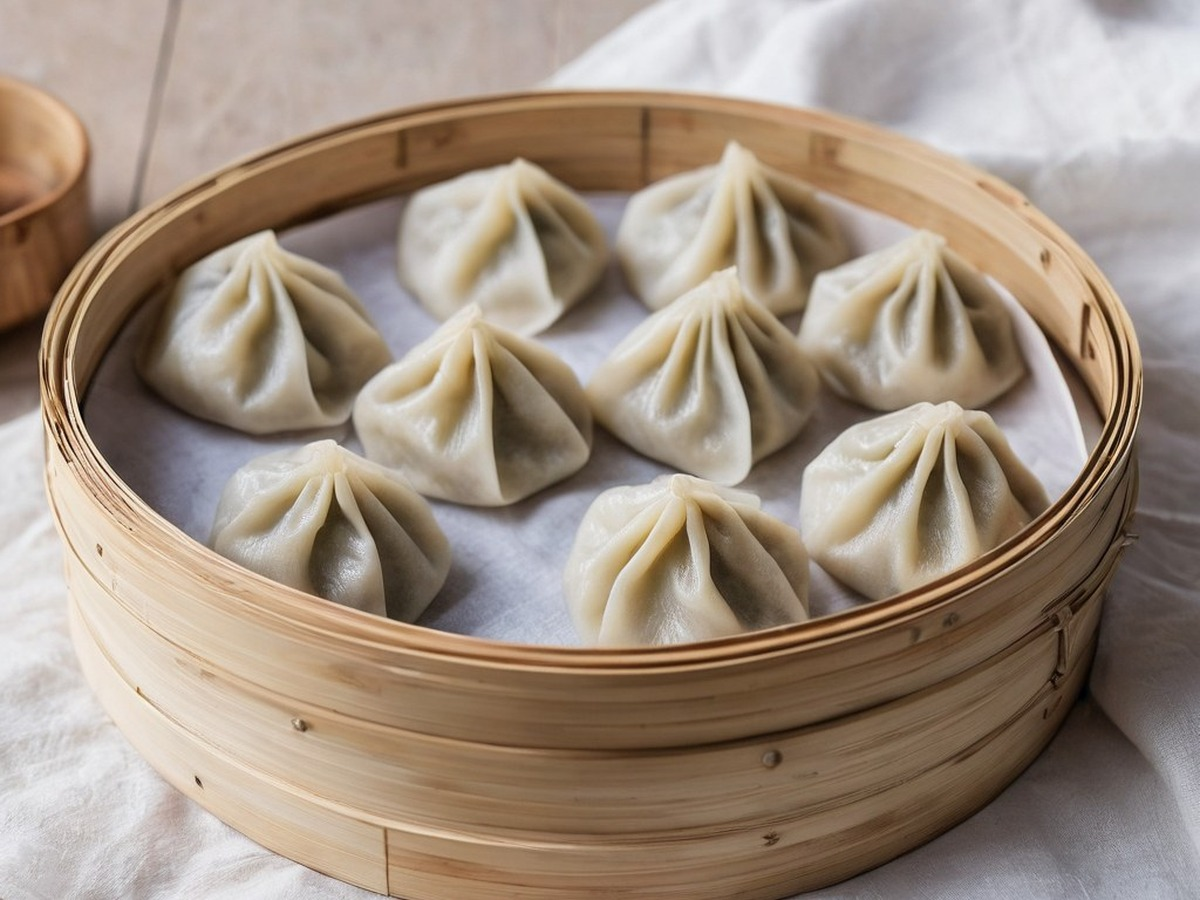
Flavor & Inspiration
Inspired by the delicate artistry of Chinese dim sum, these steamed dumplings offer a refreshing vegetarian alternative that honors the tradition of hand-folded jiaozi. The filling combines the earthy sweetness of mung beans with the crunch of fresh vegetables, creating a harmonious balance of textures that defines this category of cuisine. Each bite delivers a subtle umami depth, enhanced by aromatic ginger and a whisper of sesame oil, without relying on animal products. This dish is particularly suited for tea time gatherings or as a light starter that invites conversation and shared enjoyment.
The key to this recipe lies in the preparation of the mung bean filling, which must be finely chopped to ensure a cohesive texture that holds together during steaming. Fresh ginger and scallions provide a bright, spicy counterpoint to the mild beans, while a touch of soy sauce and rice vinegar adds necessary savory complexity. The wrappers, whether store-bought or homemade, should be pliable enough to seal tightly without tearing, ensuring the dumplings retain their shape and moisture.
Proper folding techniques create a pleated edge that not only seals the filling but also adds an elegant, traditional aesthetic to the finished product. This attention to detail transforms simple ingredients into a sophisticated dish that respects the culinary heritage of the region. Steaming is the essential cooking method here, as it gently cooks the dumplings while preserving the delicate structure of the wrappers and the integrity of the filling. The process requires a steady supply of boiling water and a tightly covered steamer to generate consistent steam, which cooks the dumplings evenly in about ten minutes.
Unlike frying, steaming keeps the dumplings light and moist, allowing the natural flavors of the mung beans and vegetables to shine through without the heaviness of oil. The result is a tender, juicy interior with a slightly chewy, translucent skin that melts in the mouth. This gentle cooking approach makes the dish an excellent choice for those seeking a healthy, comforting meal that does not compromise on flavor. These dumplings pair beautifully with a dipping sauce made from soy sauce, rice vinegar, and a hint of chili oil, which complements the subtle flavors of the filling.
They are ideal for serving as part of a larger dim sum spread alongside other steamed or fried delicacies, or simply as a standalone vegetarian main course. The recipe is also well-suited for make-ahead preparation, as the uncooked dumplings can be frozen and steamed directly from frozen for a quick, wholesome meal. Whether enjoyed during a festive celebration or a quiet weekday dinner, these steamed mung bean jiaozi offer a taste of tradition that is both accessible and deeply satisfying. The final presentation, with the dumplings arranged neatly on a bamboo steamer, evokes a sense of warmth and hospitality central to Chinese dining culture.
Ingredients
- 1 cup dried mung beans, soaked overnight and drained
- 1 cup firm tofu, pressed and finely crumbled
- 1 cup Napa cabbage, finely chopped and salted to draw out moisture
- 2 scallions, thinly sliced
- 1 tablespoon fresh ginger, grated
- 2 cloves garlic, minced
- 2 tablespoons soy sauce
- 1 tablespoon rice vinegar
- 1 teaspoon sesame oil
- 1/2 teaspoon white pepper
- 1/4 cup cornstarch
- 24 round wheat dumpling wrappers (6 inches in diameter)
- 4 cups water for steaming
Ingredient flexibility
Napa cabbage: Baby bok choy
Expected result: Baby bok choy offers a slightly more robust texture and a milder, sweeter flavor profile compared to Napa cabbage.
Adjustment: Ensure the bok choy is finely chopped and squeezed just as thoroughly as the cabbage to remove excess moisture, as it holds water differently.
Wheat dumpling wrappers: Rice paper wrappers
Expected result: Rice paper wrappers result in a chewier, more translucent texture that is distinct from the traditional wheat dough.
Adjustment: Soak the rice paper wrappers in warm water for 10-15 seconds before filling, and handle them gently as they tear more easily than wheat wrappers.
Tofu: Finely chopped shiitake mushrooms
Expected result: Shiitake mushrooms provide a meaty, umami-rich texture that mimics the heartiness of tofu without the soy flavor.
Adjustment: Sauté the chopped mushrooms briefly to remove excess moisture before adding them to the filling, as they release more water than tofu.
Step-by-Step Instructions
- Prepare the mung bean fillingRinse the soaked mung beans and boil them in fresh water until they are very soft but not mushy, about 20 minutes. Drain the beans thoroughly and pulse them in a food processor until they are finely chopped but not turned into a paste. Transfer the beans to a large mixing bowl and allow them to cool completely.
- Combine filling ingredientsAdd the crumbled tofu, squeezed-dry Napa cabbage, scallions, ginger, garlic, soy sauce, rice vinegar, sesame oil, white pepper, and cornstarch to the cooled mung beans. Mix gently but thoroughly until all ingredients are evenly distributed and the mixture holds together when pressed. Taste the filling and adjust seasoning with a pinch more salt or soy sauce if needed.
- Assemble the dumplingsPlace a dumpling wrapper on a clean, dry surface and spoon about 1 tablespoon of the filling into the center. Moisten the edges of the wrapper with a little water using a finger or a brush, then fold the wrapper in half to create a half-moon shape. Press the edges firmly to seal, then pleat the edges together to create a decorative, sealed rim. Repeat until all filling and wrappers are used, placing the assembled dumplings on a tray dusted with cornstarch to prevent sticking.
- Steam the dumplingsLine a bamboo or metal steamer with parchment paper or cabbage leaves to prevent sticking, and arrange the dumplings in a single layer with space between them. Bring a pot of water to a rolling boil before placing the steamer basket over the pot, ensuring the water does not touch the bottom of the steamer. Cover tightly and steam the dumplings for 10 to 12 minutes until the wrappers become translucent and the filling is heated through.
- Serve immediatelyRemove the steamer from the heat and carefully transfer the hot dumplings to a serving platter. Serve the steamed mung bean jiaozi immediately while hot, accompanied by a dipping sauce of soy sauce, rice vinegar, and chili oil. Enjoy the fresh, savory flavors and the delicate texture of the steamed wrappers.
Utensils
- Large pot
- Colander
- Food processor
- Large mixing bowl
- Clean work surface
- Small bowl of water
- Spoon
- Tray dusted with cornstarch
- Parchment paper or cabbage leaves
- Steamer basket with lid
- Tongs
- Serving platter
Nutrition Per Serving
- Calories: 185 kcal
- Protein: 9 g
- Fat: 4 g
- Carbohydrates: 28 g
- Fiber: 3 g
- Sodium: 320 mg
Estimated per serving from the listed ingredients and yield; not a laboratory analysis.
Storage & Reheating
Storage
Refrigerate leftover steamed mung bean jiaozi within two hours of cooking by dividing them into shallow portions and placing them in an airtight or covered container at 40°F (4°C) or below. Consume these leftovers within 3 to 4 days to ensure optimal quality and safety.
Reheating
Reheat the dumplings in a steamer basket over boiling water to restore their delicate, translucent texture and prevent the wrappers from drying out. Ensure the dumplings are heated until they are piping hot throughout, verifying with an instant-read thermometer that the internal temperature reaches 165°F (74°C).
Practical Cooking Notes
The dumplings are done when the wrappers turn translucent and the filling is piping hot, reaching an internal temperature of 165°F if measured with an instant-read thermometer.
Ensure the Napa cabbage is thoroughly squeezed dry to prevent the filling from becoming watery and breaking the dumpling skins during steaming. Avoid over-processing the mung beans in the food processor, as a coarse chop provides a better texture than a fine paste.
Perishable leftovers must be refrigerated within two hours of cooking to prevent bacterial growth in the moist filling. Always reheat the dumplings to an internal temperature of 165°F (74°C) to ensure any potential bacteria are eliminated.
The listed substitutions can change moisture, sweetness, salinity, and cook time; make one change at a time and judge the final texture before serving.
Editorially validated for internal consistency and food-safety rules; not yet independently kitchen-tested.
Troubleshooting
Dumpling wrappers tear during folding
Likely cause: The wrappers may be too dry or have been left out too long, causing them to become brittle.
Fix: Keep the unused wrappers covered with a damp cloth while working, and ensure the edges are moistened well before sealing.
Filling falls out during steaming
Likely cause: The dumplings were not sealed tightly enough, or the filling was too wet.
Fix: Press the edges firmly together and squeeze out excess moisture from the vegetables before mixing the filling to ensure a tight seal.
Dumplings are soggy or mushy
Likely cause: The steaming time was too long, or the heat was too low, causing the wrappers to absorb too much water.
Fix: Ensure the water is at a rolling boil before steaming and check the dumplings after 10 minutes to avoid overcooking.
Helpful Recipe Tips & FAQs
Can I freeze the uncooked dumplings?
Yes, you can freeze the uncooked dumplings by placing them on a baking sheet in the freezer until solid, then transferring them to a freezer bag. They can be steamed directly from frozen, adding 2-3 minutes to the cooking time.
How do I prevent the dumplings from sticking to the steamer?
Line the steamer basket with parchment paper with holes punched in it, or use large cabbage leaves or banana leaves to create a non-stick barrier between the dumplings and the steamer.
What is the best dipping sauce for these dumplings?
A simple dipping sauce made with equal parts soy sauce and rice vinegar, a dash of sesame oil, and a pinch of sugar or chili oil works perfectly to complement the savory filling.
Can I use canned mung beans instead of dried?
Yes, you can use canned mung beans, but you must rinse them thoroughly and drain them well to remove excess sodium and liquid before processing them for the filling.