Maple Lavender Chicken Waltz
Maple-Lavender Chicken with Lemon and Thyme
About This Recipe
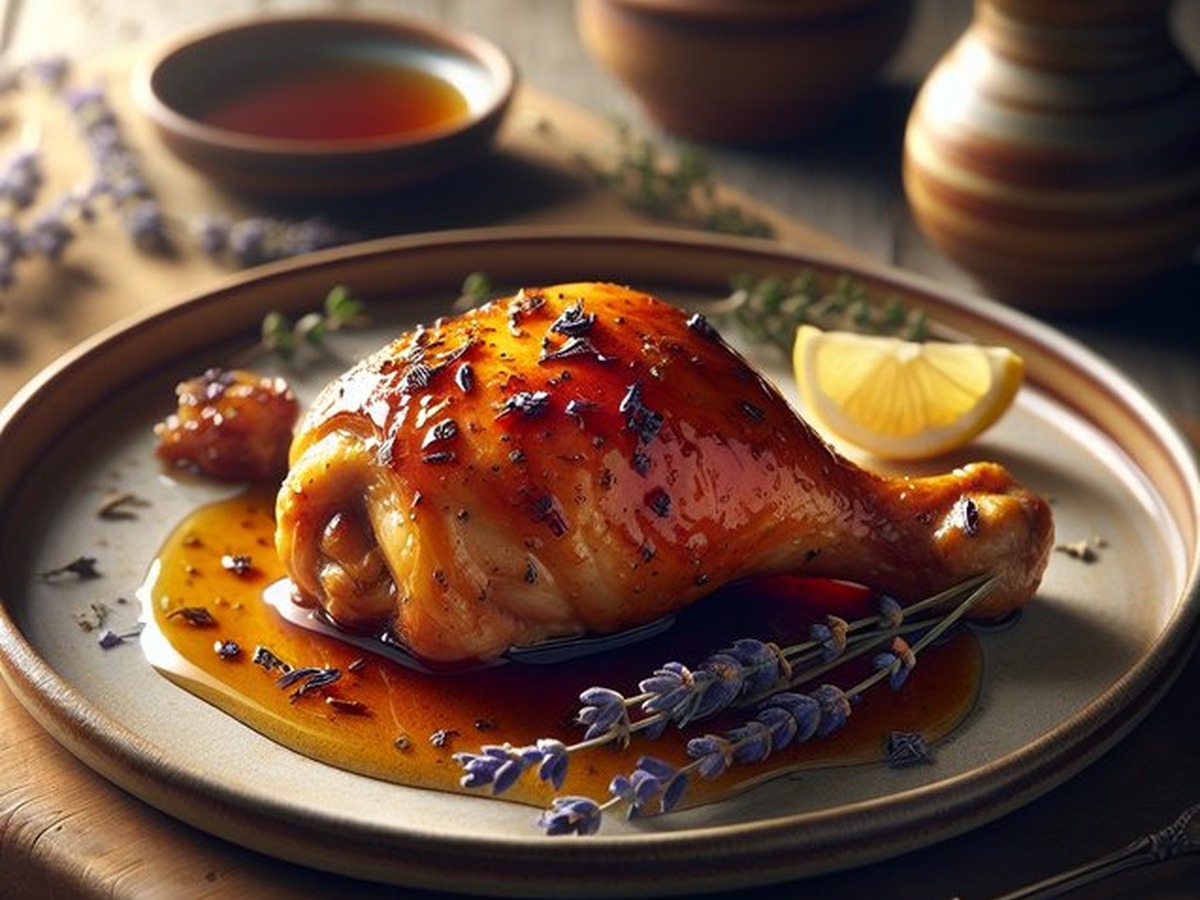
Maple and lavender make a surprisingly graceful pairing for chicken. Maple brings a rounded caramel sweetness, while a measured amount of culinary lavender adds a cool floral note; lemon and thyme keep the glaze savory. The result is a skillet dinner that feels familiar at first bite and quietly unexpected by the end.
Maple sugaring is rooted in the seasonal foodways of eastern North America, where Indigenous communities developed ways to collect and concentrate maple sap long before modern syrup bottles reached the pantry. Lavender carries a different herb-garden tradition, so this pairing is best understood as a contemporary American-inspired idea rather than a recipe with one fixed regional origin. Keeping the floral note restrained lets the dish feel inviting rather than perfumed.
Chicken thighs are a natural match for the sauce because they stay tender through a quick sear and a short simmer. The browned bits left in the skillet give the broth, maple, and cider vinegar a savory backbone, so the finished glaze does not taste like dessert. Lemon, thyme, and butter pull the flavors into balance just before serving.
The method is straightforward but rewards attention to timing. Sear the seasoned thighs until golden and nearly cooked, then let the broth, maple syrup, and lavender simmer around them so the sauce can pick up the pan juices. Add the lemon, thyme, and butter at the end, when their brighter flavors and silky texture are easiest to preserve.
Use culinary lavender, not ornamental flowers or buds from a florist or garden center, and start with a restrained measure because its aroma intensifies as it cooks. If your lavender is especially assertive, replace part of it with a little extra thyme or reduce the amount in the sauce. Maple syrup can be swapped for honey, but the finished glaze will lose some of its woodsy depth.
Serve the chicken with roasted root vegetables, mashed potatoes, quinoa, or a crisp arugula salad. Each side gives the glossy sauce somewhere to land while adding either earthy warmth or fresh contrast. A final squeeze of lemon and a few thyme leaves make the plate feel bright, balanced, and ready for a weeknight table or a relaxed dinner with guests.
Ingredients
- 1 lb boneless chicken thighs (450g)
- 2 tablespoons olive oil (30mL)
- 1 tablespoon maple syrup (15mL)
- 1 tablespoon dried culinary lavender buds (2g)
- 1 teaspoon garlic powder (3g)
- 1 teaspoon onion powder (2g)
- 1 teaspoon salt (6g)
- ½ teaspoon black pepper (1g)
- 1 tablespoon apple cider vinegar (15mL)
- 1 cup chicken broth (240mL)
- 1 tablespoon fresh lemon juice (15mL)
- 2 sprigs fresh thyme (2g)
- 1 tablespoon butter (14g)
Seared boneless chicken thighs simmer in a maple-lavender glaze and finish with lemon and thyme, bringing a fragrant dinner-ready plate to the table in about 37 minutes.
Step by Step Instructions
- Begin by seasoning the boneless chicken thighs with garlic powder, onion powder, salt, and black pepper, ensuring they are evenly coated.
- In a large skillet, heat the olive oil over medium-high heat until it shimmers.
- Add the seasoned chicken thighs to the skillet and sear them for about 5-7 minutes on each side until they are golden brown and cooked through.
- Once the chicken is cooked, remove it from the skillet and set it aside on a plate.
- In the same skillet, add the apple cider vinegar and scrape any browned bits from the bottom, allowing the vinegar to deglaze the pan.
- Stir in the chicken broth, maple syrup, and dried lavender buds, mixing well to combine all the ingredients.
- Return the chicken thighs to the skillet and simmer the mixture for about 5 minutes, allowing the sauce to thicken slightly.
- Add the fresh lemon juice and thyme sprigs to the skillet, stirring gently to incorporate the flavors.
- Finally, reduce the heat to low and stir in the butter until melted and well blended into the sauce.
- Serve the chicken with the lavender-infused sauce drizzled over the top, garnished with extra thyme if desired.
Utensils
- Cutting board
- Chef's knife
- Measuring spoons and liquid measuring cup
- Small bowl for seasoning
- Large skillet
- Tongs
- Spatula
- Wooden spoon
- Plate for the cooked chicken
- Citrus juicer
- Serving spoon
Storage & Reheating
Cool leftovers completely before transferring to an airtight container; refrigerated, the chicken will stay tender for 3 to 4 days. For longer keeping, freeze the cooled pieces and sauce in a freezer-safe container for 2-3 months, thawing overnight in the fridge before reheating. Warm gently on the stovetop over medium-low heat or in a 325°F oven until just heated through, adding a splash of broth if the sauce needs loosening.
Nutritional Information
| Nutrient | Amount | % DV |
|---|---|---|
| Calories | 440 | 22% |
| Protein | 30g | 60% |
| Fat | 30g | 46% |
| Fiber | 1g | 3% |
| Sodium | 1000mg | 43% |
Practical Cooking Notes
chef’s knife, cutting board, measuring tools, large skillet, tongs, spatula, wooden spoon, plate, small bowl, and juicer.
Check the thickest piece with an instant-read thermometer; poultry is ready at 165°F (74°C). Let the chicken rest briefly before serving.
Prep time is about 25 minutes and cooking takes about 12 minutes, for 37 minutes total. Use the thermometer rather than the clock alone to judge doneness.
Cooking Questions & Helpful Tips
Can I use chicken breasts instead of thighs?
Yes. Use boneless chicken breasts of similar size, sear them just until golden, and begin checking early with an instant-read thermometer. Remove them when the thickest piece reaches 165°F (74°C) so they stay moist.
How can I mellow the lavender if it feels too floral?
Use only culinary lavender and reduce the amount if the aroma is strong. Extra thyme, a little more broth, or a final squeeze of lemon can soften the floral edge without making the sauce sweeter.
What’s the best way to store leftovers?
Cool the chicken within two hours, then refrigerate it in an airtight container with some sauce for 3 to 4 days. Reheat gently on the stovetop or in a 325°F oven, adding a splash of broth if the sauce needs loosening, and heat the center to 165°F (74°C).
Can I prepare this dish ahead of time?
Measure the seasonings and sauce ingredients up to one day ahead, but keep the raw chicken refrigerated separately. For the best texture, sear the chicken and finish the sauce shortly before serving; cooked leftovers can also be rewarmed gently with a splash of broth.
- Swap the maple syrup for honey or a splash of orange juice for a citrusy zing.
- Add a sprinkle of crushed red pepper flakes if you crave a hint of heat.
- Plate the chicken over fluffy quinoa or creamy polenta, and serve with a vibrant arugula salad drizzled with lemon vinaigrette.
- Garnish with edible flowers or fresh thyme sprigs for an extra pop of color and flavor.
Substitutions & Flavor Tweaks
- Use avocado or grapeseed oil in place of olive oil if you prefer a neutral base with a higher smoke point.
- Replace dried lavender with a teaspoon of dried rosemary or a splash of lavender honey if the herb is hard to source.
- Substitute vegetable broth for chicken broth to keep the sauce vegetarian-friendly while letting the maple and lavender shine.
- Brighten the finished plate with an extra drizzle of lemon juice or a pinch of lemon zest before serving.
- Earthy roasted root vegetables or a vibrant seasonal salad provide a pleasing contrast of textures and tones.
- A light white wine such as Sauvignon Blanc lifts the lavender notes while complementing the maple sweetness.
- Buttery mashed potatoes or a silky risotto are perfect for mopping up every drop of the glossy sauce.
- For casual evenings, serve with crusty bread to soak up that glorious glaze.
- Extend the floral scope by introducing lavender into roasted vegetables or other proteins for a fragrant surprise.
- Dial up the savory by adjusting garlic and onion powder, letting the sweet-savory duet remain central while grounding the dish with deeper aromatics.