Citrus Chickpea Pilaf
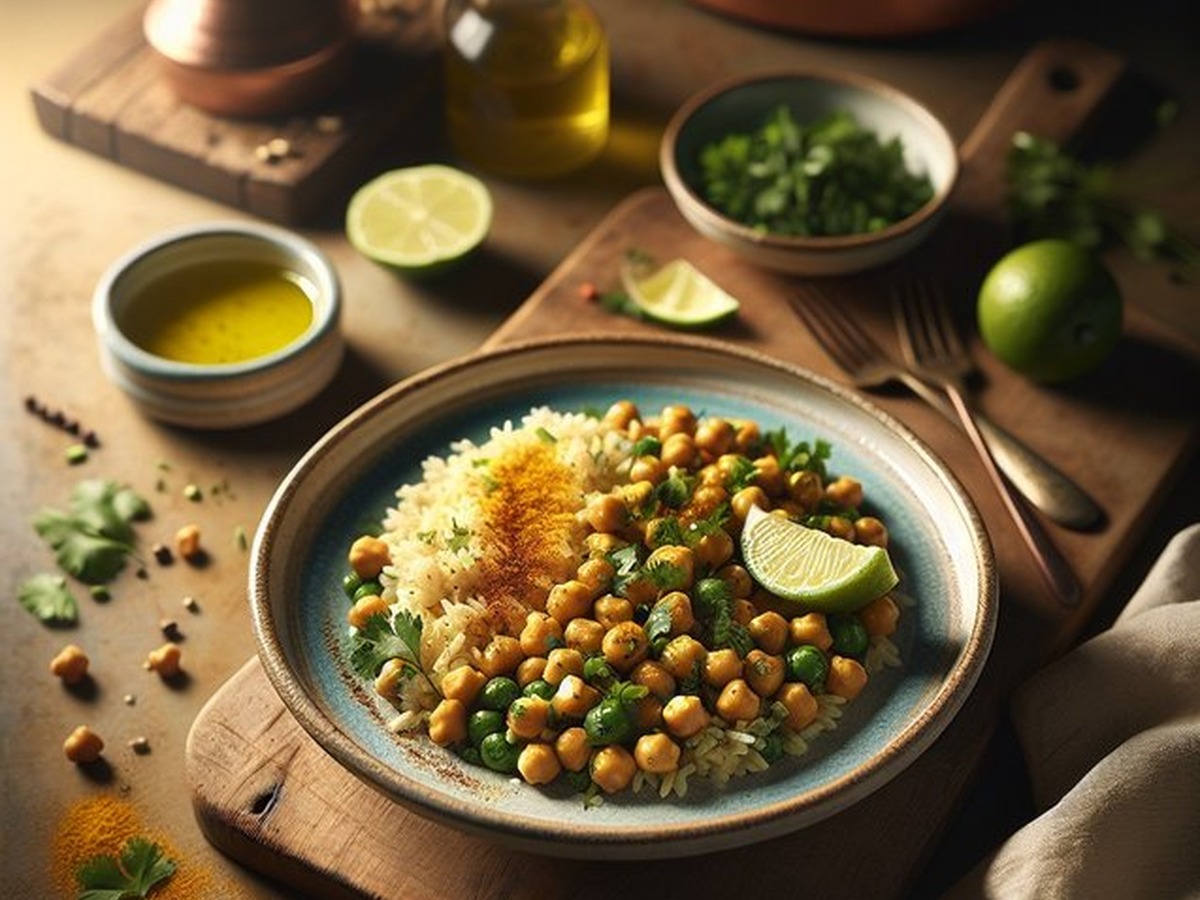
Citrus-Scented Basmati Rice with Chickpeas and Warm Spices
Fluffy basmati rice, creamy chickpeas, warm spices, caramelized onion, and lemon-orange brightness make this a satisfying Mediterranean-inspired pilaf.
About This Recipe
Citrus Chickpea Pilaf turns everyday pantry ingredients into a warm, fragrant main course. Fluffy basmati rice carries chickpeas, caramelized onion, garlic, cumin, coriander, turmeric, and smoked paprika, while lemon and orange keep the finished pot bright. Fresh cilantro and parsley bring a green finish that makes the dish feel generous without becoming heavy.
Pilaf, also written pilav or pulao in different food traditions, describes a family of rice-cooking techniques found across West Asia, Central Asia, South Asia, and the Mediterranean. This version is a modern Mediterranean-inspired interpretation built around chickpeas and citrus rather than a claim to one national recipe. The shared idea is simple and enduring: toast the grain in seasoned fat, then let it absorb a flavorful cooking liquid until each spoonful is aromatic.
Rinsing the basmati rice is a small step with a big payoff. Washing away excess surface starch helps the grains stay distinct, while toasting them briefly in the onion and spice mixture gives the finished pilaf a deeper, nuttier flavor. Drain the rice well before it reaches the pot so the measured broth stays in balance.
The spice mixture should smell warm and rounded before the liquid goes in. Cumin and coriander supply earthy citrus notes, turmeric adds color, and smoked paprika lends a gentle savory depth without dominating the chickpeas. Once the broth begins to boil, lower the heat promptly; a quiet simmer is what keeps the rice tender instead of split and sticky.
Chickpeas make the pilaf substantial enough to serve on its own, but the bowl welcomes plenty of companions. Spoon it beside roasted vegetables, grilled fish, or chicken, or add cucumber, yogurt, or a simple green salad for cool contrast. The final lemon and orange juices should taste fresh rather than cooked away, so add them after the covered rest and fold gently.
This is a useful make-ahead dish because the flavors settle as the rice cools. Cook it earlier in the day, keep it covered, and refresh it with a splash of broth when reheating; add fresh herbs and a squeeze of lemon just before serving. Refrigerate leftovers within two hours, use them within three to four days, and reheat until steaming hot throughout.
Ingredients
- 1 cup basmati rice, rinsed until the water runs mostly clear (195g)
- 2 tablespoons extra-virgin olive oil (30mL)
- 1 cup yellow onion, diced (150g)
- 2 garlic cloves, minced (6g)
- 1 teaspoon ground cumin (2g)
- 1 teaspoon ground coriander (2g)
- 1/2 teaspoon ground turmeric (1g)
- 1/2 teaspoon smoked paprika (1g)
- 2 cups low-sodium vegetable broth (480mL)
- 2 cups canned chickpeas, drained and rinsed (330g)
- 1/2 teaspoon kosher salt (3g)
- 1/4 teaspoon black pepper (0.5g)
- 2 tablespoons fresh lemon juice (30mL)
- 1 tablespoon fresh lemon zest (6g)
- 2 tablespoons fresh orange juice (30mL)
- 2 tablespoons fresh cilantro, chopped (4g)
- 1 tablespoon fresh parsley, chopped (2g)
This post contains Amazon affiliate links. We may earn a commission if you purchase through them, at no additional cost to you.
Step by Step Instructions
- Rinse the rice Rinse the basmati rice in a colander until the water runs mostly clear, then drain it well.
- Soften the onion Heat the olive oil in a large pot over medium heat, add the yellow onion, and cook for about 6 minutes, until softened.
- Bloom the spices Add the garlic, cumin, coriander, turmeric, and smoked paprika and stir for 1 minute, until fragrant.
- Toast the rice Stir in the drained rice and cook for 2 minutes so the grains are coated with the spiced oil.
- Simmer the pilaf Pour in the vegetable broth, add the chickpeas, kosher salt, and black pepper, and bring to a boil.
- Cook until tender Reduce the heat to low, cover, and simmer for 18 to 20 minutes, until the rice is tender and the liquid is absorbed.
- Rest and brighten Remove the pot from the heat and rest it covered for 5 minutes, then fluff the rice and fold in the lemon juice, lemon zest, and orange juice.
- Finish with herbs Fold in the cilantro and parsley, taste for seasoning, and serve the Citrus Chickpea Pilaf warm.
Utensils
- Large pot
- Pot lid
- Cutting board
- Chef's knife
- Measuring cups
- Measuring spoons
- Colander
- Wooden spoon
- Citrus zester
- Citrus juicer
- Fork
This post contains Amazon affiliate links. We may earn a commission if you purchase through them, at no additional cost to you.
Nutrition Per Serving
| Nutrient | Amount | % Daily Value* |
|---|---|---|
| Calories | 410 kcal | 21% |
| Protein | 11 g | 22% |
| Fat | 8 g | 10% |
| Carbohydrates | 70 g | 25% |
| Fiber | 7 g | 25% |
| Sodium | 420 mg | 18% |
Nutrition is an estimate based on the listed ingredients and four servings.
Variations & Serving Suggestions
- Add crumbled feta or a spoonful of yogurt for a creamy, salty contrast.
- Stir in chopped spinach, roasted peppers, or toasted almonds for extra color and texture.
- Serve with a cucumber salad, roasted vegetables, grilled chicken, or fish.
Storage & Reheating
Cool leftover pilaf within two hours, transfer it to a shallow airtight container, and refrigerate at 40°F (4°C) or below for three to four days. Keep fresh herbs and any yogurt garnish separate when possible.
Reheat gently in a covered skillet or microwave with a splash of vegetable broth or water, stirring once, until steaming hot throughout. Finish with fresh citrus and herbs after reheating to restore the bright flavor.
Practical Cooking Notes
Extra water clinging to the rinsed rice can change the liquid ratio, so let it drain while the onion warms.
Steam is part of the cooking method. Resist lifting the lid during the simmer, then let the covered pot rest before fluffing.
Lemon and orange juice taste freshest when folded in after the rice has rested, not boiled away with the broth.
Frequently Asked Questions
How do I keep basmati rice fluffy in a pilaf?
Rinse the rice until the water is mostly clear, drain it well, and toast it briefly before adding the broth. Keep the pot covered during the low simmer and let it rest for 5 minutes before fluffing with a fork.
Can I use brown rice instead of basmati rice?
Yes, but brown rice needs more liquid and a longer cooking time than this recipe provides. Follow the package method for the brown rice, then add the chickpeas during the final part of cooking so they warm without breaking apart.
Can I make Citrus Chickpea Pilaf ahead of time?
Yes. Cook the pilaf earlier the same day and keep it covered, or refrigerate it in a shallow airtight container for three to four days. Reheat with a splash of broth and add the citrus juice and herbs after warming.
What should I serve with Citrus Chickpea Pilaf?
Serve it with roasted vegetables, grilled chicken or fish, cucumber, yogurt, or a crisp green salad. The citrus and warm spices also pair well with a simple tomato and herb relish.