How to Stir-Fry: Prep, Heat, and Crisp-Tender Results
Dry the vegetables, cook in small batches while the pan stays hot, and add sauce near the end. Start with firmer vegetables, then add tender greens. Check protein with a food thermometer.
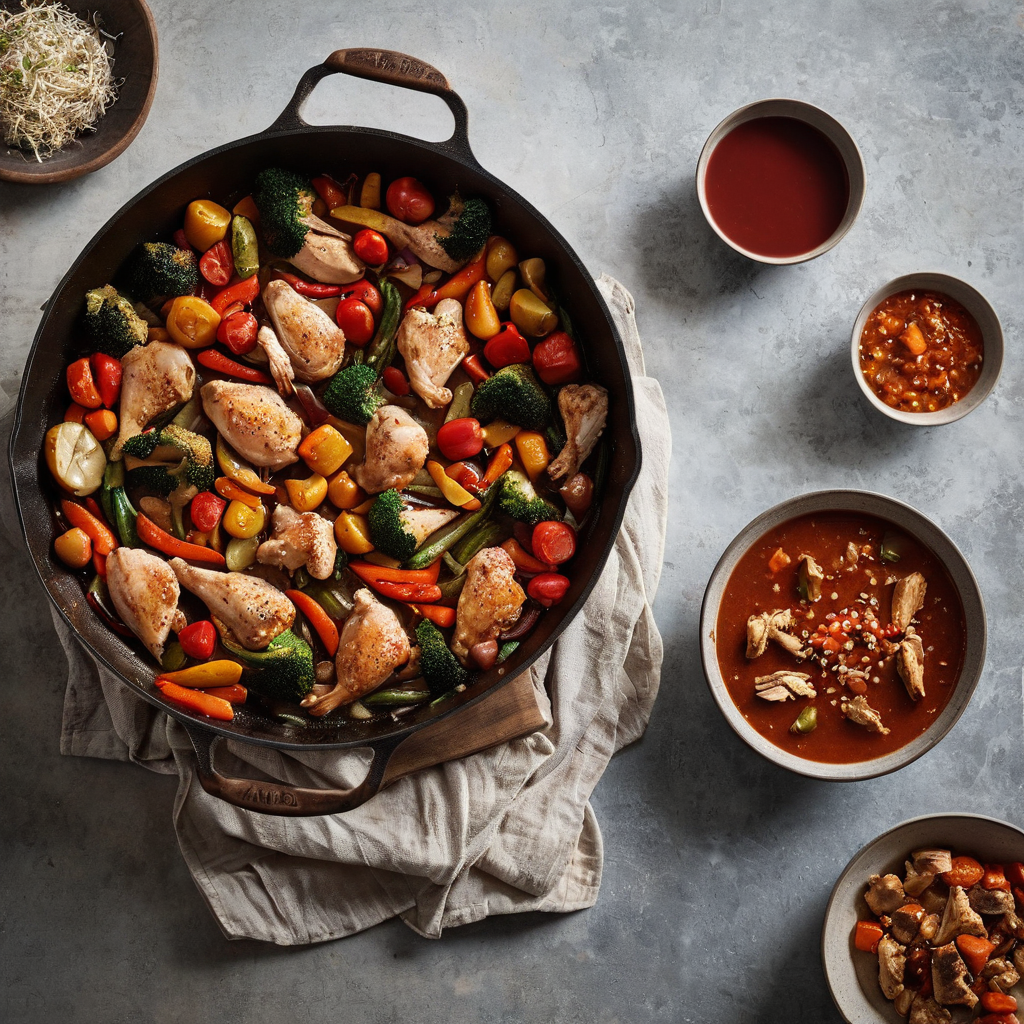
Before You Heat the Pan
- Cut vegetables into similar bite-size pieces. Group firm vegetables together and keep quick-cooking greens aside.
- Pat the vegetables dry, mix the sauce, and set everything beside the stove.
- If you are using raw chicken, keep it separate from ready-to-eat ingredients and set out a clean plate for the cooked chicken.
Stir-Fry in Four Steps
- Heat the pan. Set a wok or wide skillet over high heat. Add the oil called for in your recipe.
- Cook raw protein first. Work in a batch that fits the pan, then move fully cooked pieces to a clean plate. Add pre-cooked protein near the end.
- Cook vegetables by firmness. Start with the firmest pieces and add tender vegetables or greens later. If the sizzle fades or liquid pools, lift some food out and continue in smaller batches.
- Finish with sauce. Return the cooked protein, add sauce near the end, and stir until it coats the ingredients.
Timing and Doneness
Timing changes with the pan, batch size, cut size, and ingredients. Colorado State Extension lists 20 minutes of cook time for its four-serving recipe and adds vegetables in stages. Maryland Extension gives its vegetables five minutes, then finishes the sauce for two minutes. Treat those as examples for those recipes.
Vegetables should look bright and stay crisp-tender, with some bite. The sauce should lightly coat them. Use a thermometer for poultry, including ground poultry, at 165°F; ground meat and non-poultry sausage at 160°F; whole cuts of beef, pork, lamb, or veal at 145°F followed by a three-minute rest; and fish at 145°F. Check the thickest part of each piece. FoodSafety.gov gives separate shellfish cues: shrimp, lobster, crab, and scallops are done when their flesh is pearly or white and opaque; clams, oysters, and mussels are done when their shells open during cooking. Keep raw chicken separate from ready-to-eat food and wash hands and surfaces after handling it.
Quick Fixes
- The pan goes quiet or turns watery: Cook less at a time. Dry the next batch of vegetables before they go in.
- Vegetables finish at different times: Group them by firmness and add the firm pieces first.
- The protein is ready before the vegetables: Keep it on a clean plate and return it near the end.
- The sauce is still thin: Stir until it lightly coats the food. The Colorado State example uses about one minute; Maryland Extension uses two.