How to Roast Chicken Pieces: Timing, Temperature, and Juicy Results
Illinois Extension's six-thigh recipe uses 400°F for 45 minutes to 1 hour. For other cuts, follow cut-specific timing and check each piece to 165°F.
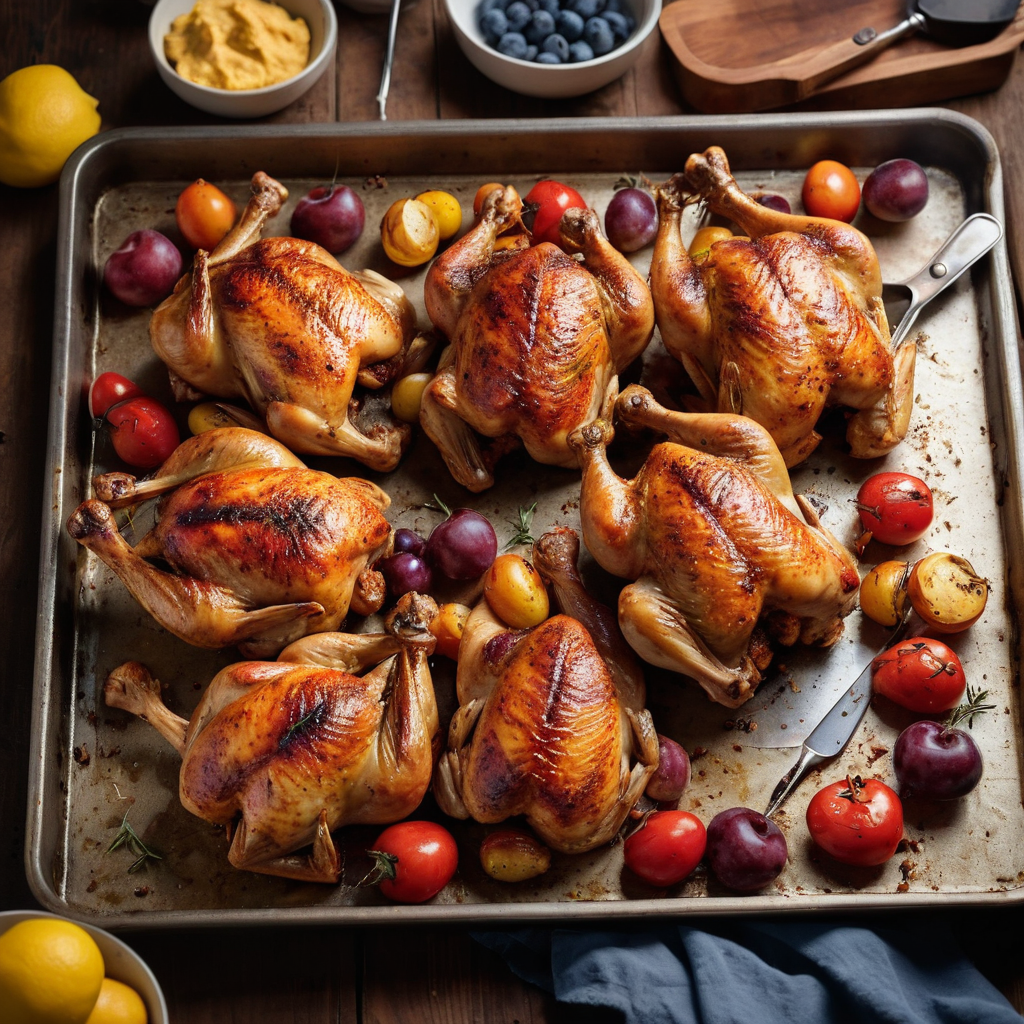
Purpose
For browned surfaces and tender meat, match the timing to the cut and batch, then check each piece separately. The example below follows an Illinois Extension recipe for six thighs.
When To Use It
These steps work for bone-in thighs and drumsticks. The 45 minutes to 1 hour example comes from a recipe for six thighs cooked with vegetables in a casserole dish. Follow separate recipe directions for boneless cutlets, small bites, and whole birds.
Equipment
Use the pan or casserole dish called for in your recipe, with a food thermometer, tongs, and a clean serving plate nearby. The Extension example uses a casserole dish.
Procedure
Start with a recipe for the cut you're cooking. Illinois Extension roasts six seasoned chicken thighs with vegetables in a casserole dish at 400°F for 45 minutes to 1 hour, until done. Keep that timing with the recipe; cut size, thickness, bone and skin, pan, and oven can change how long other pieces take. Arrange pieces in one layer with room around them so the surfaces brown evenly. Check every piece separately: place the thermometer in the thickest part, away from bone. For thin pieces, insert the probe from the side toward the center. USDA says poultry must reach 165°F (73.9°C). Keep raw chicken and its juices away from food that is ready to eat. Wash hands and food-contact surfaces after handling; do not rinse the chicken.
Visual Cues
A browned surface is a useful cue for cooking quality, and texture helps you judge tenderness. Use the thermometer for safety: check the thickest part of each piece and confirm 165°F.
Mistakes
If the pan is crowded or pieces stay pale, cook in batches and leave space around them. Check each piece; smaller cuts can reach 165°F first. Keep cooked chicken on a clean plate, away from anything that touched raw chicken. Wash your hands and surfaces after handling raw chicken. Rinsing can spread bacteria, so skip that step.